While many travelers avoid heavy seasonal rains, monsoon periods across Asia and West Africa attract a growing number of visitors seeking dramatic landscapes, quieter destinations, and a closer connection to regional climate rhythms. For some, the wet season reveals destinations at their most powerful and visually striking.
Why Experienced Travelers Choose the Monsoon Season
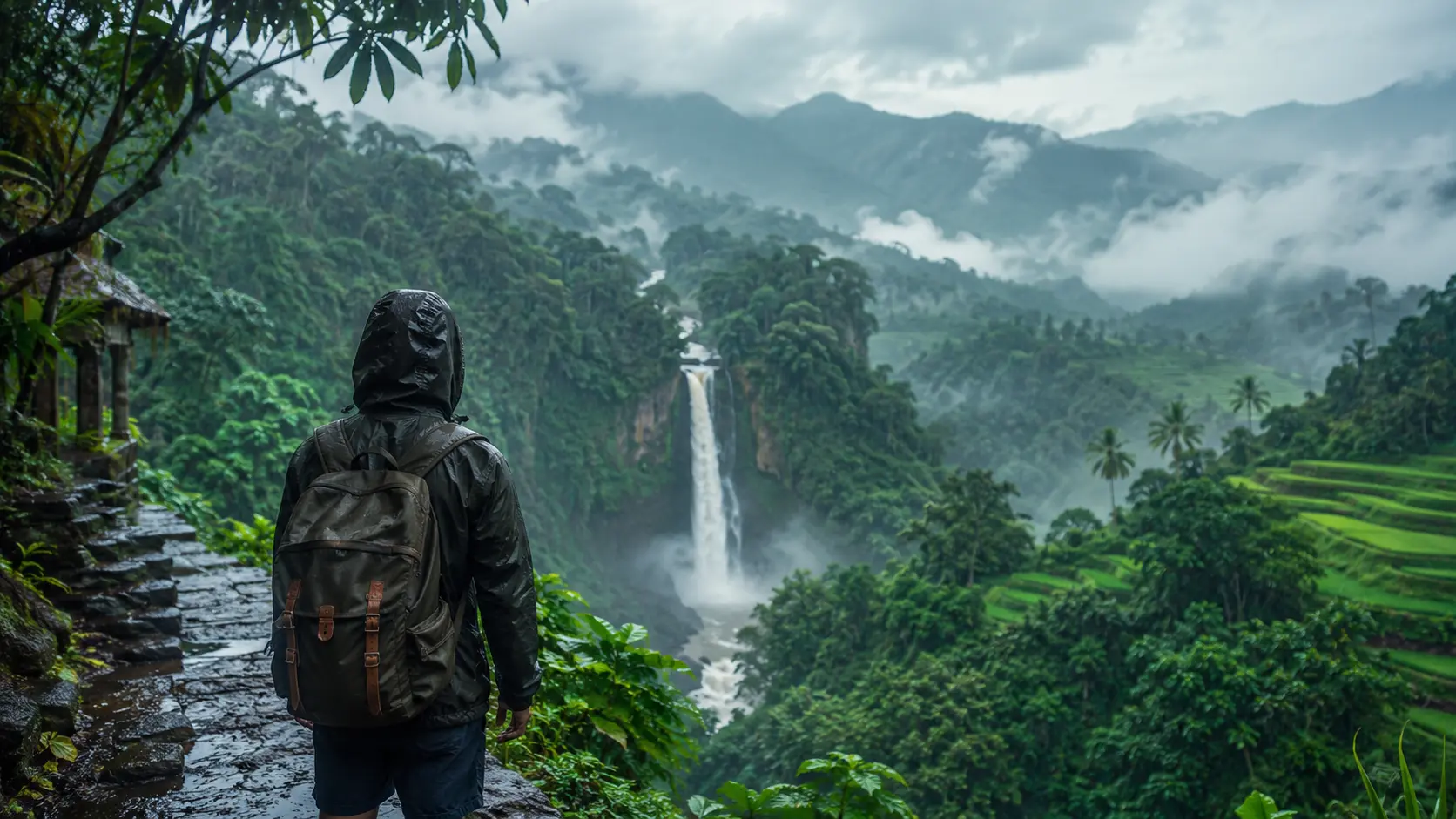
Monsoon travel has long been misunderstood as simply a period of constant storms and disrupted itineraries, yet in many parts of the world the rainy season transforms entire landscapes into their most vibrant and dynamic state. Across Southeast Asia, India, and West Africa, monsoon rains replenish rivers, revive forests, cool overheated cities, and reshape agricultural life in ways central to local culture and seasonal identity. Rather than avoiding these months entirely, some travelers deliberately plan journeys during the wet season to experience destinations outside the peak tourism cycle. The atmosphere during monsoon periods often feels slower and more immersive, with mist-covered mountains, flooded rice terraces, and dramatic cloud formations creating scenery difficult to witness during drier months. Historic temples, markets, and cultural sites may also feel less crowded, allowing visitors to experience places with greater quiet and reflection. For many travelers, the appeal of monsoon travel lies not only in the visual transformation of the landscape but also in the opportunity to observe how communities adapt daily life around powerful seasonal weather systems that have shaped regional societies for centuries.
Southeast Asia, India, and West Africa During the Rains
In Southeast Asia, monsoon season brings dramatic changes to countries such as Thailand, Vietnam, Cambodia, and Indonesia. Tropical rains intensify the color of forests and rice fields while rivers and waterfalls reach their fullest levels after months of heat. Ancient temple complexes surrounded by dense vegetation often appear especially atmospheric beneath shifting storm clouds and humid mist. In India, the arrival of the monsoon carries enormous cultural and environmental significance because seasonal rainfall supports agriculture across much of the country. Regions such as Kerala, Rajasthan, and the Western Ghats become noticeably greener as heavy rains cool landscapes previously shaped by intense dry-season heat. In West Africa, monsoon systems influence countries stretching from Senegal to Ghana and Nigeria, transforming savannas and coastal regions through seasonal rainfall patterns that support farming, river transport, and local ecosystems. Across all of these regions, the wet season also affects food culture, transportation rhythms, and public life as communities adjust schedules and routines around changing weather conditions. Travelers willing to adapt to occasional disruptions often encounter destinations in a more natural and less commercially crowded state.
What Traveling During Monsoon Season Feels Like
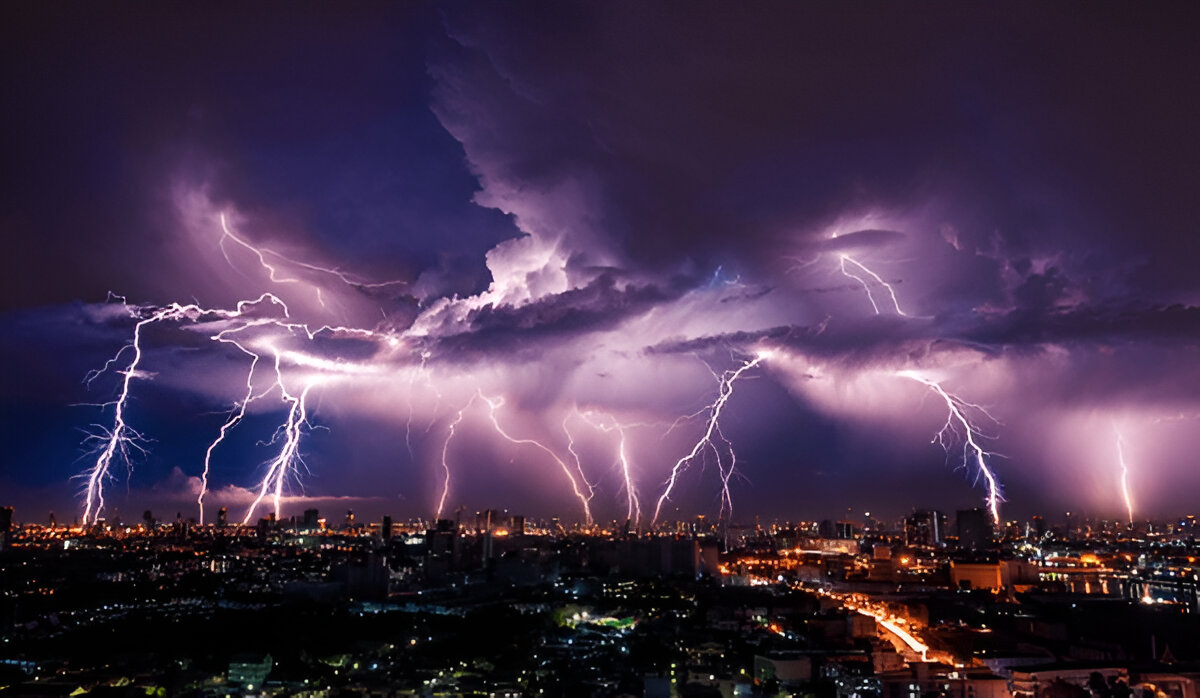
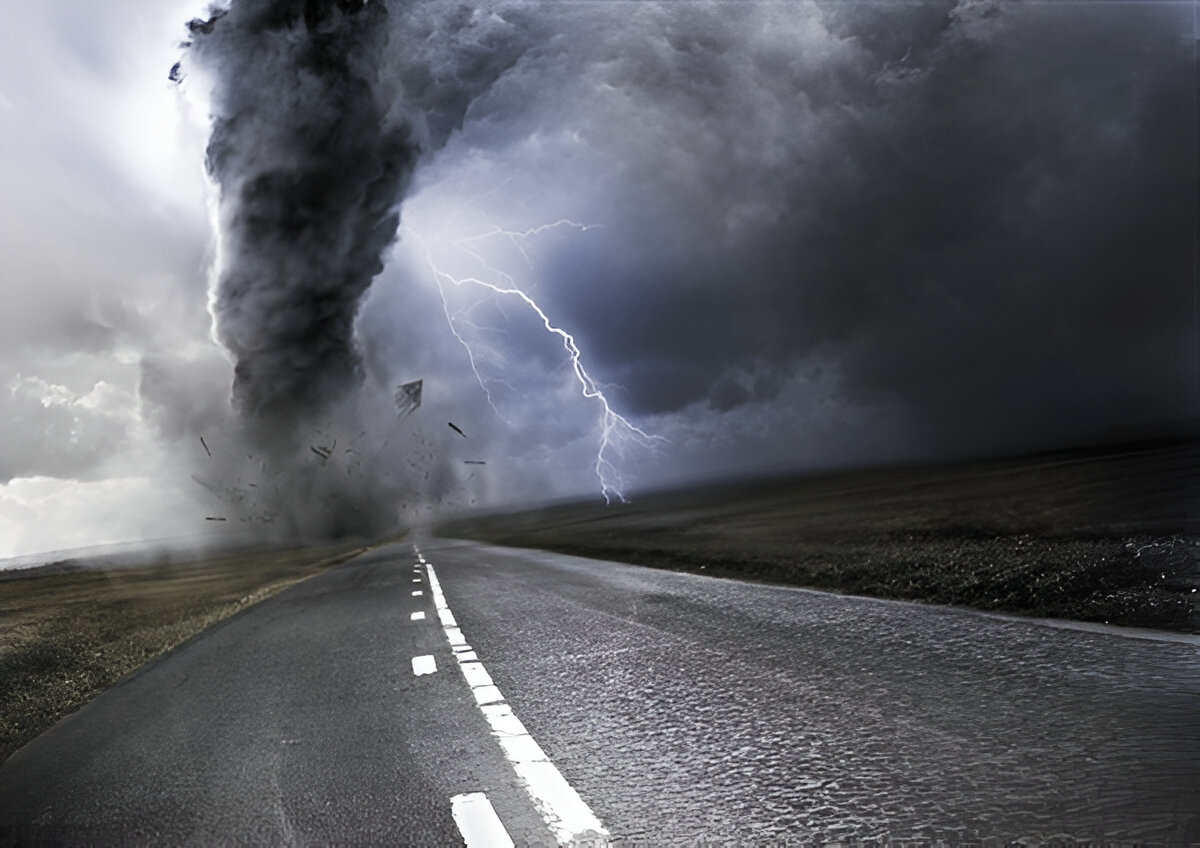
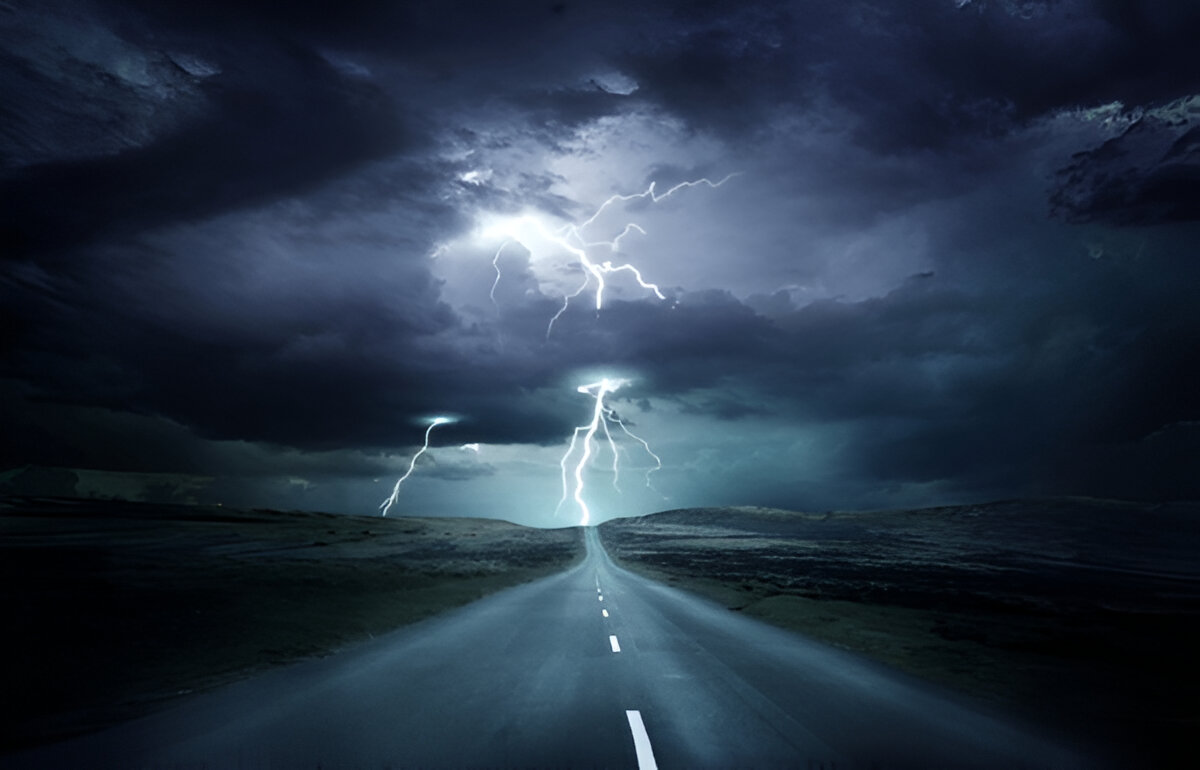
Monsoon travel is defined by unpredictability and scale. Sudden downpours may interrupt clear skies within minutes, while thunderstorms can dramatically alter the atmosphere of cities, coastlines, and mountain landscapes throughout the day. Rather than constant rain, many monsoon destinations experience alternating cycles of heavy showers followed by periods of sunlight and humidity. This shifting weather creates highly dynamic scenery, particularly in tropical and mountainous regions where clouds move rapidly across forests, rivers, and valleys. Travelers often describe monsoon journeys as more sensory and immersive because weather becomes a visible and unavoidable part of daily experience rather than simply background conditions. Streets fill with reflections during evening storms, rural landscapes become intensely green, and rivers carry the force of seasonal rainfall across entire regions. Wildlife activity may also increase during wetter months as vegetation and water sources expand. While outdoor activities sometimes require greater flexibility, the atmosphere during monsoon periods often feels calmer and more connected to local rhythms than heavily commercialized peak tourism seasons.
Challenges and Practical Considerations of Wet-Season Travel
Traveling during monsoon season requires flexibility because heavy rainfall can influence transportation schedules, road conditions, and outdoor access in both urban and rural regions. Flooding, landslides, and temporary transport delays are possible in certain areas, particularly in mountainous terrain or regions with weaker infrastructure. Humidity levels also remain significantly higher during the wet season, which can affect comfort for travelers unaccustomed to tropical climates. Proper waterproof clothing, careful itinerary planning, and awareness of regional weather patterns become especially important during monsoon travel. Coastal conditions may limit boating or swimming activities during periods of rough seas and strong currents. However, many destinations continue functioning normally throughout the rainy season because local communities have adapted daily life around these predictable climate cycles for generations. Hotels, transportation systems, and tourism operators in monsoon regions often remain fully operational while adjusting activities according to weather conditions. Travelers willing to accept occasional disruption frequently find that the reduced crowds, greener landscapes, and more atmospheric scenery outweigh the inconveniences associated with seasonal rain.
Why Monsoon Tourism Continues to Attract Adventurous Travelers
Monsoon travel continues to grow in popularity because it offers a different perspective on destinations often associated only with dry-season tourism. The wet season reveals landscapes shaped by water, agriculture, and seasonal climate patterns that remain central to everyday life across Asia and West Africa. Whether watching storms move across rice terraces in Southeast Asia, experiencing rain-soaked mountain regions in India, or observing seasonal transformation in West African landscapes, travelers encounter environments that feel more dynamic and less controlled by conventional tourism routines. As interest in slower and more immersive travel experiences expands, monsoon tourism increasingly appeals to visitors seeking destinations at their most dramatic, unpredictable, and environmentally alive.