Historic railways once built for mining, trade, and early industry continue to operate across remote regions of the world. From Bolivia’s rugged mountain routes to preserved British steam lines, these surviving railways offer travelers a rare journey through landscapes shaped by industrial history and mechanical heritage.
Why Historic Railways Continue to Capture Modern Travelers
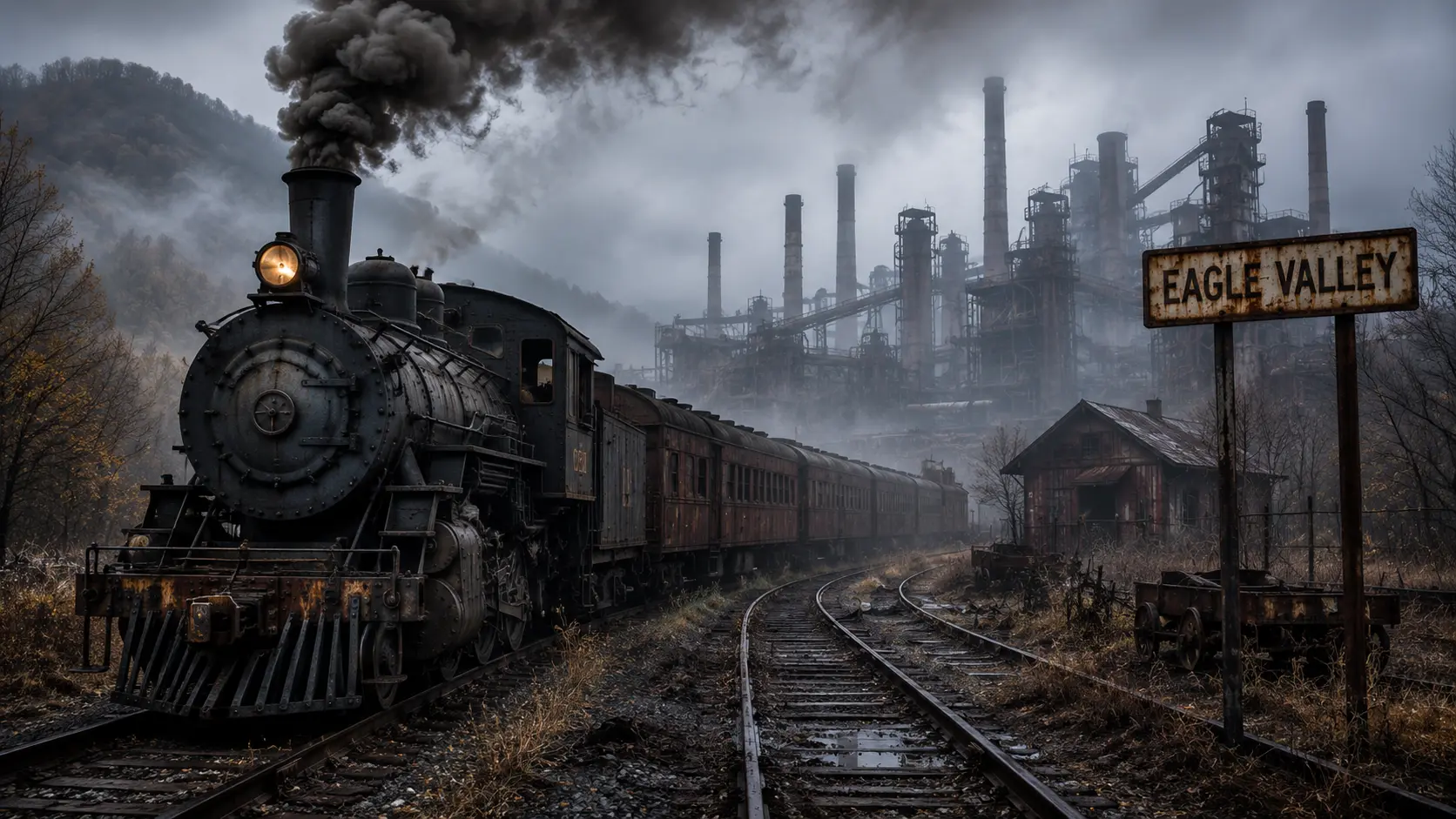
Long after many industrial rail networks disappeared, certain historic railway lines have survived through preservation efforts, tourism programs, and continued regional use. Often called “ghost railways” because of their connection to abandoned industries and earlier eras of transportation, these lines provide travelers with a direct experience of steam-age engineering and historic infrastructure. Across South America and Europe, restored locomotives still travel through isolated mountain passes, former mining corridors, and countryside landscapes once central to industrial expansion. Unlike modern high-speed rail systems designed primarily for efficiency, heritage railways emphasize atmosphere, mechanical craftsmanship, and historical continuity. Passengers travel inside restored carriages that preserve wooden interiors, vintage fittings, and panoramic windows originally built for journeys through rugged industrial regions. Many of these railways also pass through landscapes where abandoned stations, rusted sidings, and aging bridges remain visible reminders of earlier economic eras. Travelers are increasingly drawn to these routes because they combine transportation history with slow travel experiences shaped by scenery, engineering, and regional identity.
From Bolivia’s Death Train to Britain’s Steam Heritage
One of the most famous surviving industrial rail experiences is Bolivia’s “Death Train,” a route historically associated with remote jungle transport and difficult travel conditions in the country’s eastern lowlands. Although modernized in some sections, the railway still carries the atmosphere of earlier frontier-era transport, passing through isolated landscapes shaped by trade, migration, and regional industry. In Britain, heritage railway preservation has become one of the world’s largest rail conservation movements, with restored steam locomotives operating across former industrial and rural branch lines. Routes in Yorkshire, Wales, and Scotland travel through landscapes once connected to coal mining, manufacturing, and port transport during the height of the Industrial Revolution. Many British heritage lines use original stations, signal boxes, and manually operated equipment maintained by preservation societies and volunteers. Elsewhere, abandoned mining routes in Eastern Europe and narrow-gauge mountain railways in parts of Germany and Austria continue to operate through forests, valleys, and alpine regions once dependent on industrial rail transport. These railways are valued not only for tourism but also for preserving mechanical knowledge, engineering traditions, and transportation systems that shaped modern industrial society.
What the Experience of Riding a Ghost Railway Feels Like
Traveling on a historic railway differs significantly from modern train travel because the experience emphasizes movement, sound, and atmosphere rather than speed. Steam locomotives produce rhythmic mechanical noise, drifting smoke, and vibrations that create a stronger physical connection between passengers and the machinery itself. Inside restored carriages, travelers often encounter polished timber interiors, vintage seating, brass fittings, and manually operated windows that preserve the character of early rail travel. The routes themselves frequently pass through isolated countryside, mountain tunnels, abandoned industrial sites, and small stations that appear largely unchanged from previous decades. In Bolivia and parts of Eastern Europe, journeys may still involve slower travel speeds and rugged landscapes that reflect the original function of the railways as industrial transport corridors. Many heritage lines also include museums, workshops, and restoration depots where visitors can observe locomotive maintenance and learn about historical rail engineering. Rather than functioning solely as transportation, these journeys create immersive historical experiences where scenery and mechanical heritage become central parts of the trip itself.
Challenges Facing the World’s Historic Rail Networks
Preserving historic railways requires extensive maintenance, specialized engineering knowledge, and long-term financial support. Steam locomotives and aging rail infrastructure demand constant restoration work, particularly in regions with harsh weather conditions or mountainous terrain. Many heritage railways rely heavily on volunteers, nonprofit organizations, and local tourism partnerships to remain operational. Environmental concerns also influence modern railway preservation, especially regarding fuel use and emissions connected to steam-powered engines. In some countries, aging tracks and bridges require significant upgrades to meet contemporary safety standards while still preserving historical authenticity. Tourism can provide essential funding, but excessive visitor numbers may place pressure on fragile infrastructure and smaller rural communities surrounding the rail lines. Travelers considering heritage railway journeys should also expect slower schedules, weather-related disruptions, and less predictable travel conditions compared with modern rail systems. Despite these challenges, preservation efforts continue to expand because historic railways remain valuable examples of industrial architecture, transportation history, and mechanical craftsmanship that would otherwise disappear from public experience.
Why Ghost Railways Remain Important Today
Historic railways continue to attract international travelers because they preserve more than transportation infrastructure alone. These surviving lines represent earlier periods of industrial expansion, regional trade, and engineering innovation that shaped entire communities and landscapes. Whether traveling through Bolivian jungle routes or along Britain’s restored steam corridors, passengers experience a form of travel that emphasizes history, mechanics, and landscape rather than speed and convenience. As heritage tourism grows worldwide, ghost railways demonstrate how industrial infrastructure can remain culturally significant long after its original economic purpose has faded, allowing modern travelers to move through living remnants of the steam era.