Scientists now measure natural silence using precise decibel monitoring, identifying remote landscapes where human noise nearly disappears entirely. From polar wilderness to isolated deserts and ancient forests, these quiet places offer travelers an increasingly rare experience shaped by stillness, distance, and environmental preservation.
How Scientists Measure Silence in the Natural World
Silence is often imagined as an abstract or emotional experience, yet researchers increasingly study it through measurable acoustic data gathered from some of the planet’s least disturbed environments. Using sensitive recording equipment, environmental scientists analyze soundscapes by measuring background noise levels, human interference, wind patterns, and biological activity in decibels. These studies reveal that true quiet is becoming increasingly rare as urbanization, aviation, shipping, and industrial infrastructure expand across even remote landscapes. In response, certain wilderness regions have gained recognition not simply for scenic beauty but for exceptionally low levels of human-generated sound. National parks, polar regions, deserts, and protected forests now attract travelers specifically interested in experiencing environmental silence as a form of immersion and mental separation from modern noise. Unlike conventional tourism focused on landmarks or entertainment, journeys to the world’s quietest places emphasize atmosphere, perception, and the physical sensation of hearing almost nothing beyond natural environmental sounds. For many visitors, the absence of mechanical noise becomes as memorable as the landscape itself.
From Arctic Snowfields to Desert Basins and Ancient Forests
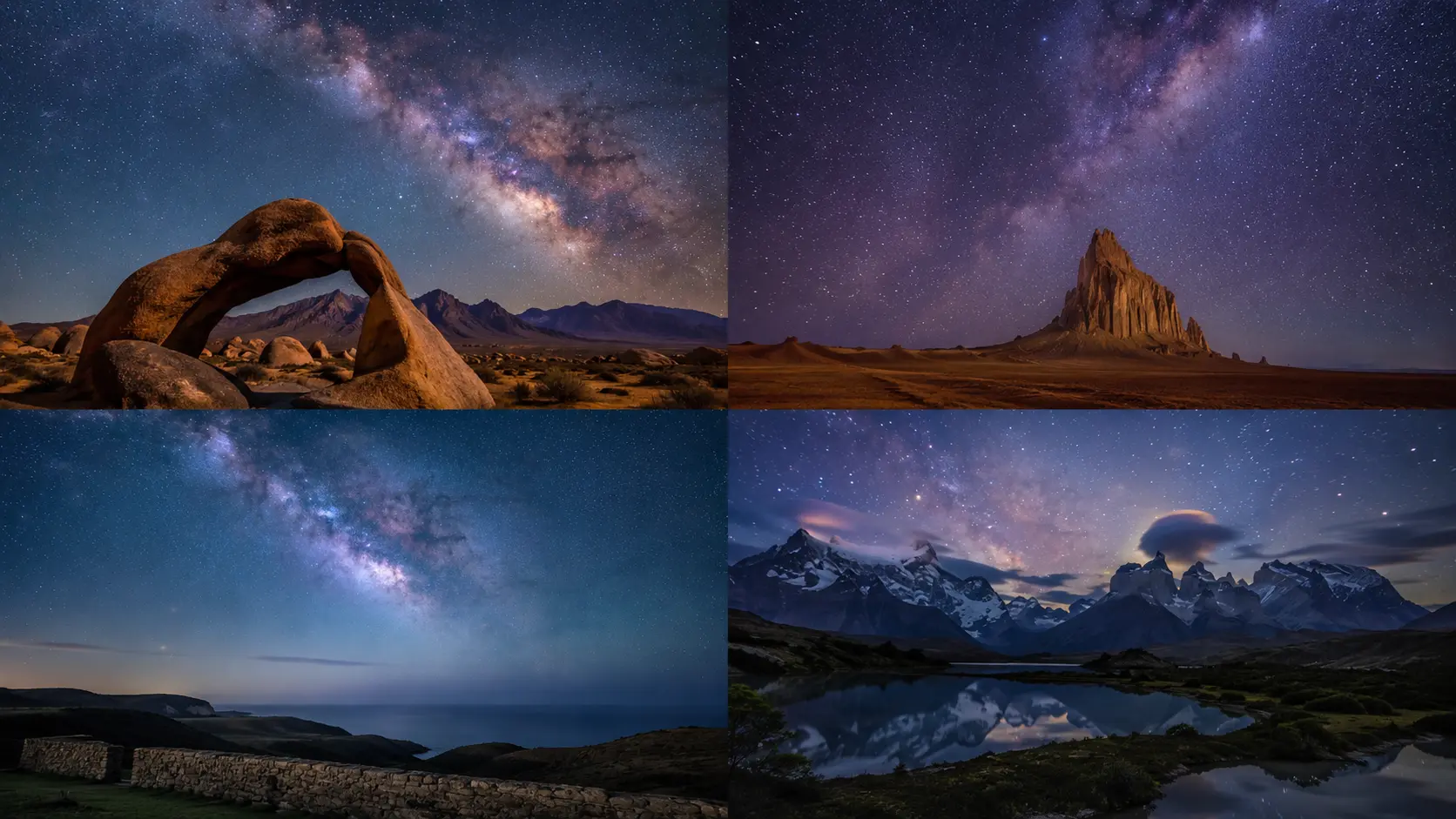
Some of the quietest recorded environments on Earth are located in extreme or protected ecosystems where human activity remains minimal. In Antarctica, vast ice-covered regions far from research stations produce some of the lowest ambient sound levels ever measured, interrupted mainly by wind movement and shifting ice. Northern Scandinavia and parts of Arctic Canada also contain remote tundra and snowfield environments where winter conditions absorb sound and create unusually silent landscapes. In North America, sections of Olympic National Park in Washington State have long been studied for their exceptionally quiet temperate rainforest soundscapes, while desert basins in Namibia, Mongolia, and the American Southwest offer a different form of silence shaped by dry air and immense geographic isolation. Ancient forests in Central Europe, Japan, and New Zealand preserve acoustic environments where natural sounds such as birds, water movement, and wind remain dominant over mechanical interference. Many of these regions are protected through environmental conservation policies specifically designed to reduce aircraft traffic, industrial activity, or large-scale tourism infrastructure that could disrupt fragile soundscapes.
What Extreme Quiet Actually Feels Like
Travelers visiting scientifically quiet environments often describe the experience as physically and psychologically unusual because modern life rarely allows complete separation from background noise. In highly urbanized societies, constant exposure to traffic, electronics, and industrial sound creates a baseline level of sensory stimulation that many people no longer consciously notice. In remote silent environments, however, the absence of mechanical noise can initially feel disorienting. Small natural sounds such as footsteps, breathing, distant birds, or moving water become suddenly amplified in perception. In snowy Arctic landscapes, silence may feel dense and absorbing because snow reduces echoes and dampens sound movement across open terrain. Desert silence creates a different sensation, where vast empty space and dry atmospheric conditions intensify the perception of distance and stillness. Many travelers report becoming more aware of weather patterns, wildlife movement, and subtle environmental details once artificial noise disappears. Researchers studying natural soundscapes also note that prolonged exposure to quieter environments can influence stress levels, concentration, and sensory awareness, contributing to growing interest in silence-focused travel experiences.
How to Reach and Protect the Quietest Places
Many of the world’s quietest locations are difficult to access precisely because remoteness plays a major role in preserving their acoustic conditions. Reaching polar regions, protected forests, or isolated deserts often requires careful logistical planning involving guided expeditions, limited transportation routes, or strict environmental regulations. In some national parks and wilderness reserves, authorities actively manage tourism numbers and transportation infrastructure to reduce noise pollution and protect natural soundscapes from growing visitor pressure. Travelers seeking quiet destinations are often encouraged to approach these environments with minimal impact by respecting designated trails, limiting electronic noise, and following conservation rules designed to preserve acoustic conditions for both wildlife and future visitors. Seasonal timing also matters because weather, tourism peaks, and migration patterns can significantly alter environmental sound levels. Even in remote locations, silence is rarely absolute, as natural landscapes continue producing wind, ice movement, animal calls, and water sounds that form part of the ecosystem itself. Protecting quiet places increasingly involves recognizing sound as an environmental resource worthy of preservation alongside scenery and biodiversity.
Why Silence Has Become a Modern Travel Experience
The growing fascination with the world’s quietest places reflects broader cultural interest in slowing down and reconnecting with natural environments beyond the constant stimulation of urban life. Scientific research into environmental acoustics has transformed silence from a purely subjective experience into something measurable and increasingly rare. Whether standing inside Arctic snowfields, remote forests, or isolated desert valleys, travelers encounter landscapes where the absence of human noise becomes a defining feature of the journey itself. As noise pollution expands globally, these unusually quiet environments continue gaining importance not only as travel destinations but also as reminders of how profoundly modern civilization has altered the planet’s natural soundscape.