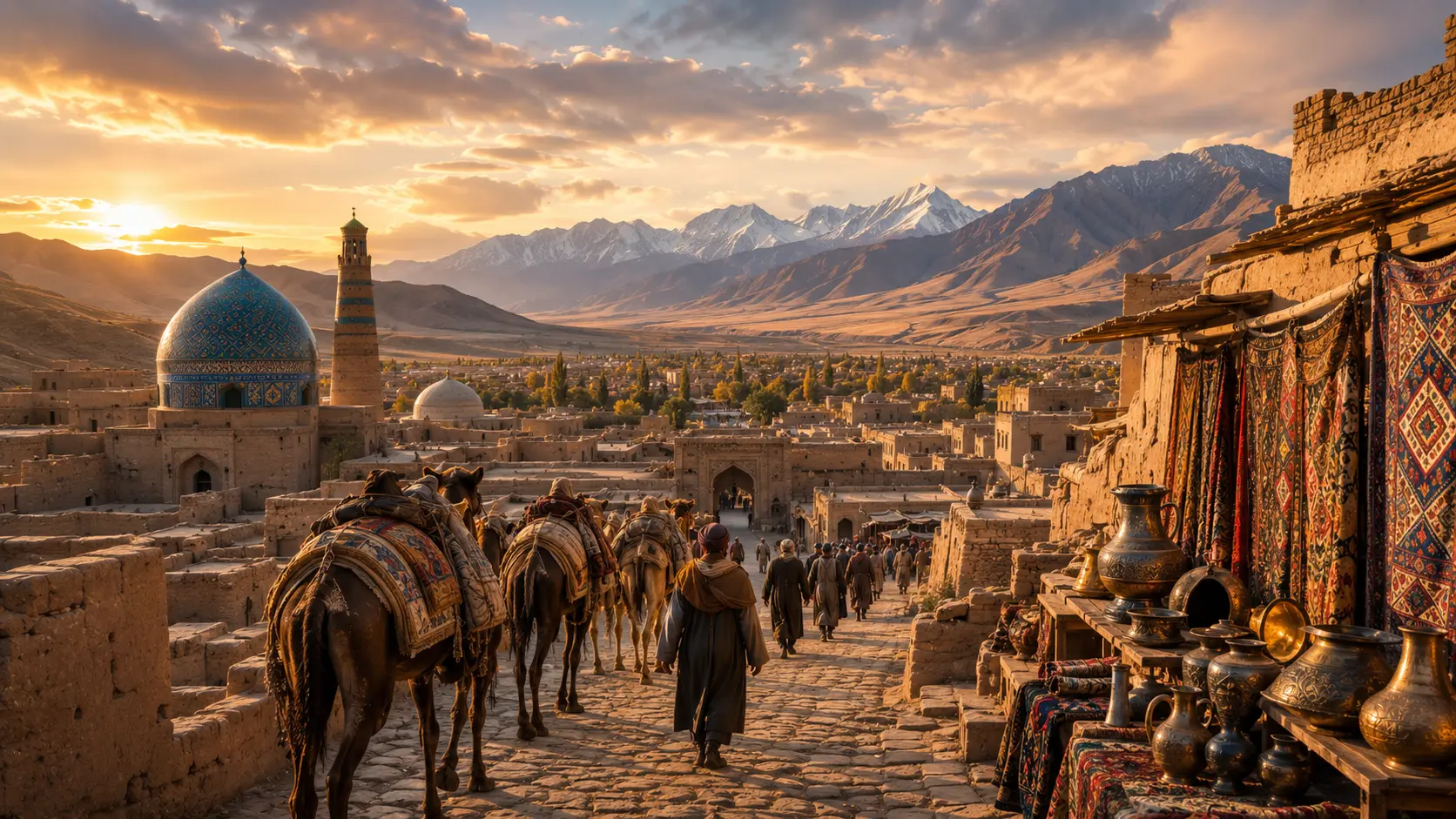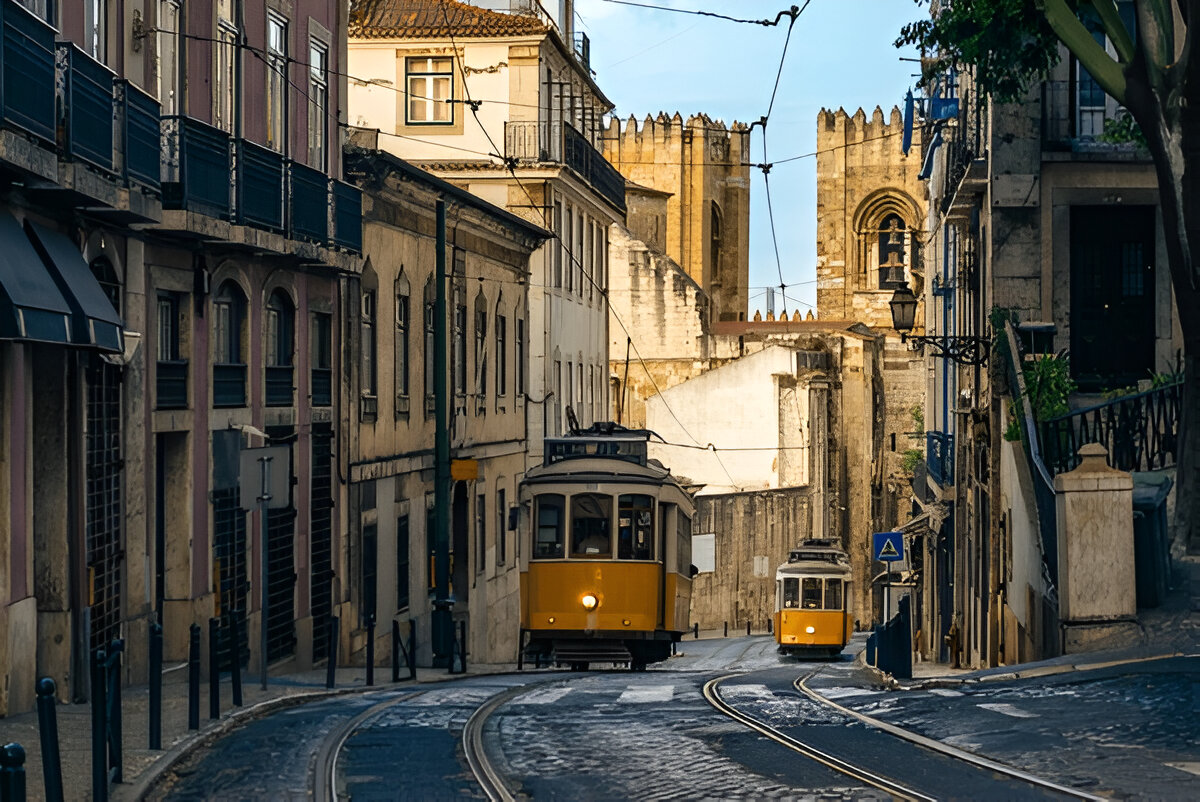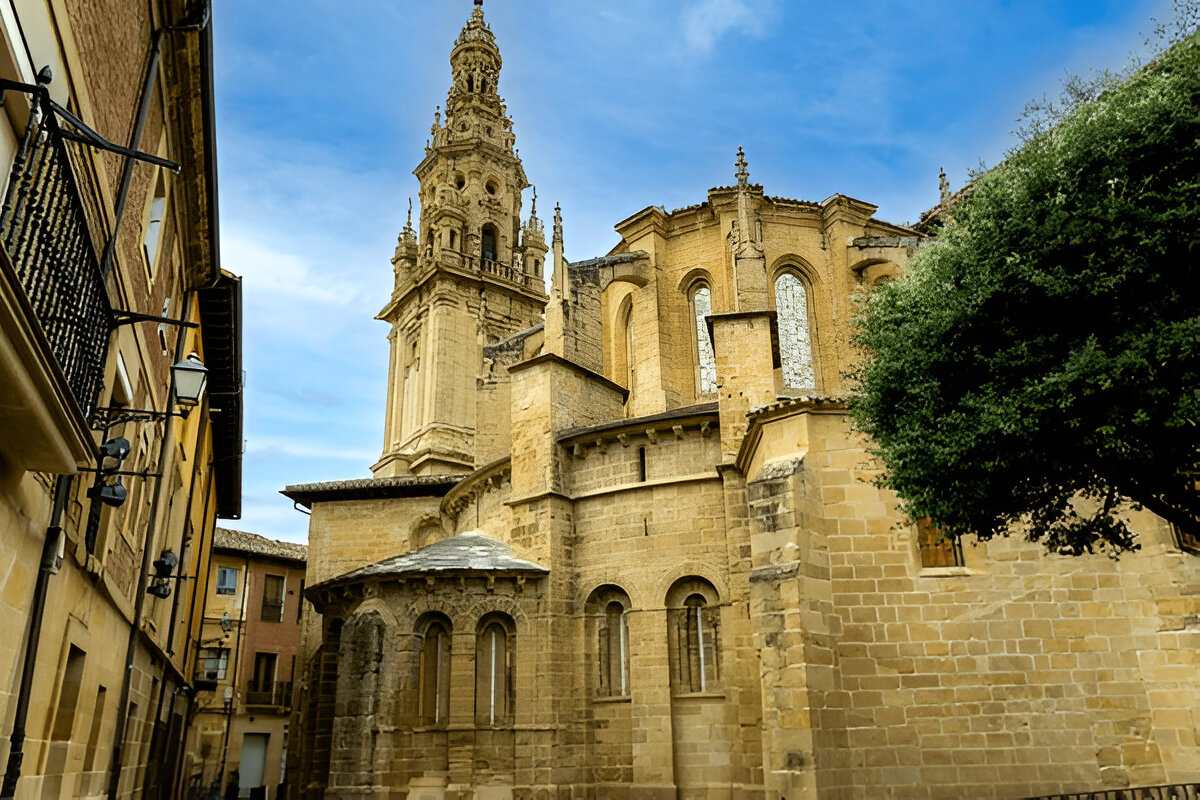
Across parts of Europe and Asia, living history villages preserve earlier ways of life through carefully maintained architecture, traditional crafts, and restricted modernization. These settlements offer visitors a rare opportunity to experience communities where historical continuity shapes everyday routines and the surrounding environment.
Why Living History Villages Continue to Fascinate Travelers
Living history villages differ from conventional museums because they preserve not only historic buildings but also elements of traditional daily life, local craftsmanship, and long-established community structures. In certain regions of Poland, Japan, and the Netherlands, entire settlements have maintained architectural styles, agricultural practices, and cultural routines that reflect centuries-old traditions. Some communities intentionally limit modern infrastructure or carefully regulate development in order to preserve historical identity and protect cultural landscapes from rapid urbanization. Unlike reconstructed tourist attractions, many of these villages remain active residential communities where people continue to work, farm, cook, and build using techniques passed down through generations. Visitors are often drawn to these destinations because they offer a slower and more immersive experience of history shaped by local customs rather than staged entertainment. Walking through these settlements can feel less like entering a museum and more like observing a society that has chosen to preserve continuity with its historical past while selectively adapting to modern life.
Poland, Japan, and the Netherlands’ Preserved Communities
In Poland, several rural settlements preserve medieval street layouts, timber construction methods, and agricultural traditions that date back hundreds of years. Villages in mountainous and eastern regions often maintain wooden churches, hand-built cottages, and seasonal customs closely connected to local folklore and farming life. Japan offers a distinct form of historical preservation through villages known for traditional wooden houses with steep thatched roofs designed to withstand heavy snowfall and changing mountain climates. In areas such as Shirakawa-go and Gokayama, residents continue to maintain architectural methods that have shaped these communities for generations while carefully balancing tourism with daily life. The Netherlands presents another variation through historic canal towns and preserved settlements where windmills, brick houses, and traditional water-management systems remain central parts of the landscape. Some Dutch communities regulate construction and transportation patterns in order to maintain the historical atmosphere of earlier centuries. Across all three countries, preservation efforts focus not only on architecture but also on protecting local crafts, regional foods, seasonal festivals, and social traditions that connect present-day residents to historical ways of living.
What Visitors Experience Inside These Historical Settlements
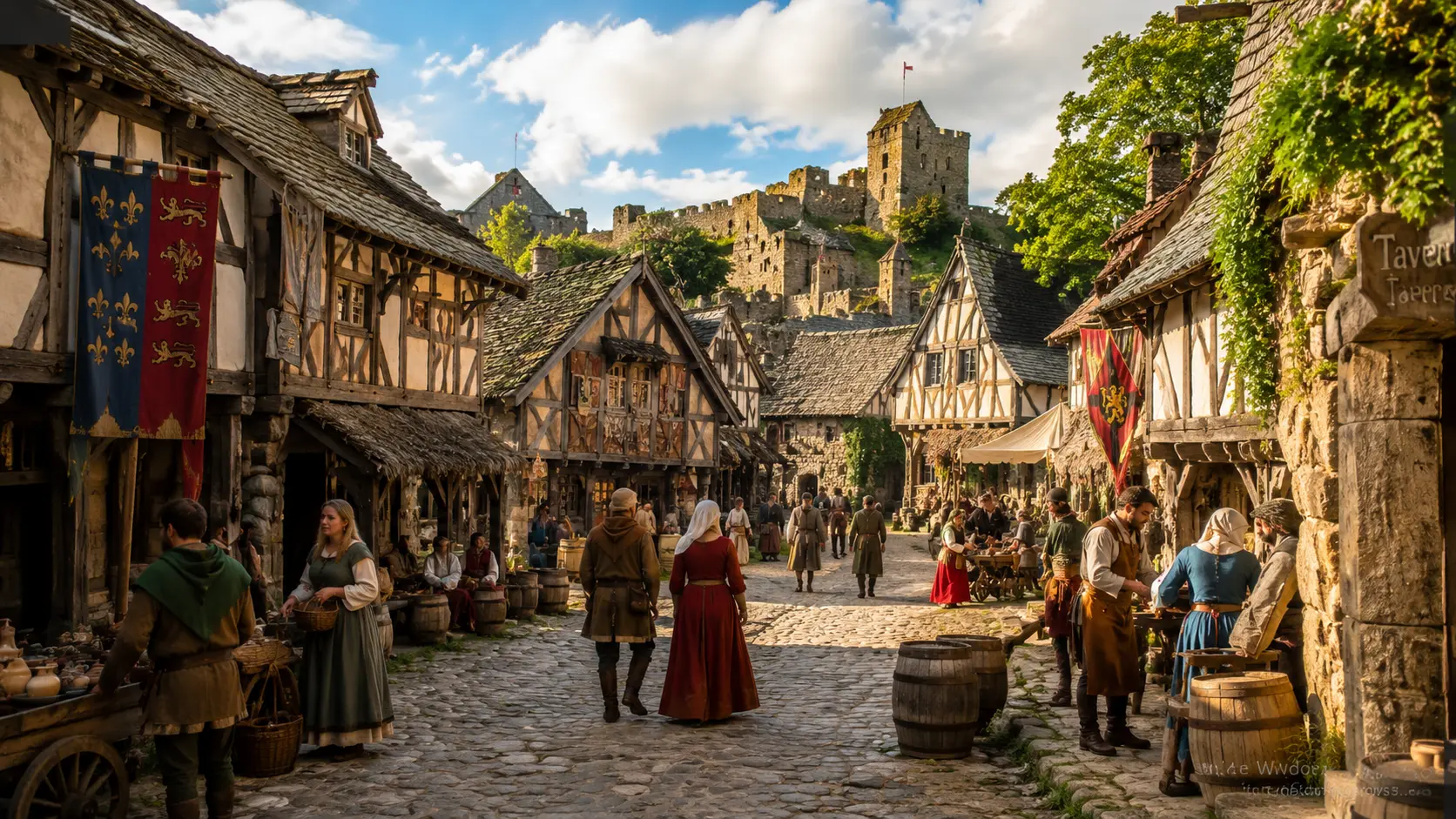
Traveling through living history villages often creates a sense of slowed time because modern visual distractions are intentionally minimized or carefully integrated into the environment. Narrow streets, hand-built structures, stone pathways, and traditional workshops shape the atmosphere in ways that differ sharply from contemporary urban centers. In many villages, visitors encounter blacksmiths, woodworkers, farmers, or artisans practicing techniques rooted in local history rather than industrial production. Seasonal rhythms also remain highly visible, particularly in agricultural regions where planting, harvesting, and craft production continue to follow long-established patterns. Some communities restrict vehicle access or commercial signage in order to preserve historical scenery and reduce disruption to residential life. Accommodations within these villages may include restored farmhouses, historic inns, or family-run guesthouses that maintain regional architectural styles and traditional interiors. Travelers often describe these destinations as immersive because the historical setting extends beyond individual buildings and shapes the entire surrounding environment, from food preparation and clothing traditions to landscape management and daily routines.
Challenges and Preservation Considerations
Maintaining living history villages requires balancing tourism, conservation, and the practical needs of local residents. Preservation regulations can limit new construction, infrastructure expansion, and commercial development, making long-term sustainability a complex issue for smaller communities. In some regions, younger generations have migrated toward cities, creating challenges for maintaining traditional industries and population stability. Tourism itself can also place pressure on fragile historic environments, especially in villages with narrow streets, aging buildings, or environmentally sensitive landscapes. Many communities therefore introduce visitor management systems designed to protect both cultural heritage and daily residential life. Travelers visiting these settlements are often encouraged to follow local customs, respect photography restrictions, and support locally produced goods rather than mass-market souvenirs. Seasonal conditions can influence accessibility as well, particularly in mountainous villages where heavy snow, rain, or limited transport infrastructure affect travel patterns. Despite these challenges, preservation programs continue to expand because many governments and cultural organizations recognize these settlements as valuable examples of architectural and social history that remain connected to living communities rather than isolated historical exhibits.
Why Historical Villages Matter in Modern Tourism
Living history villages continue to attract international attention because they preserve cultural continuity in a rapidly modernizing world. These communities offer travelers a chance to experience architecture, craftsmanship, and social traditions within environments where historical identity remains part of everyday life rather than purely a reconstructed attraction. Whether in rural Poland, mountainous Japan, or canal-side towns in the Netherlands, these settlements demonstrate how cultural preservation can extend beyond monuments into entire landscapes and communities. As interest in experiential and heritage-based travel grows, living history villages provide a rare opportunity to observe how earlier ways of life continue to shape modern societies while resisting complete transformation by contemporary urban development.