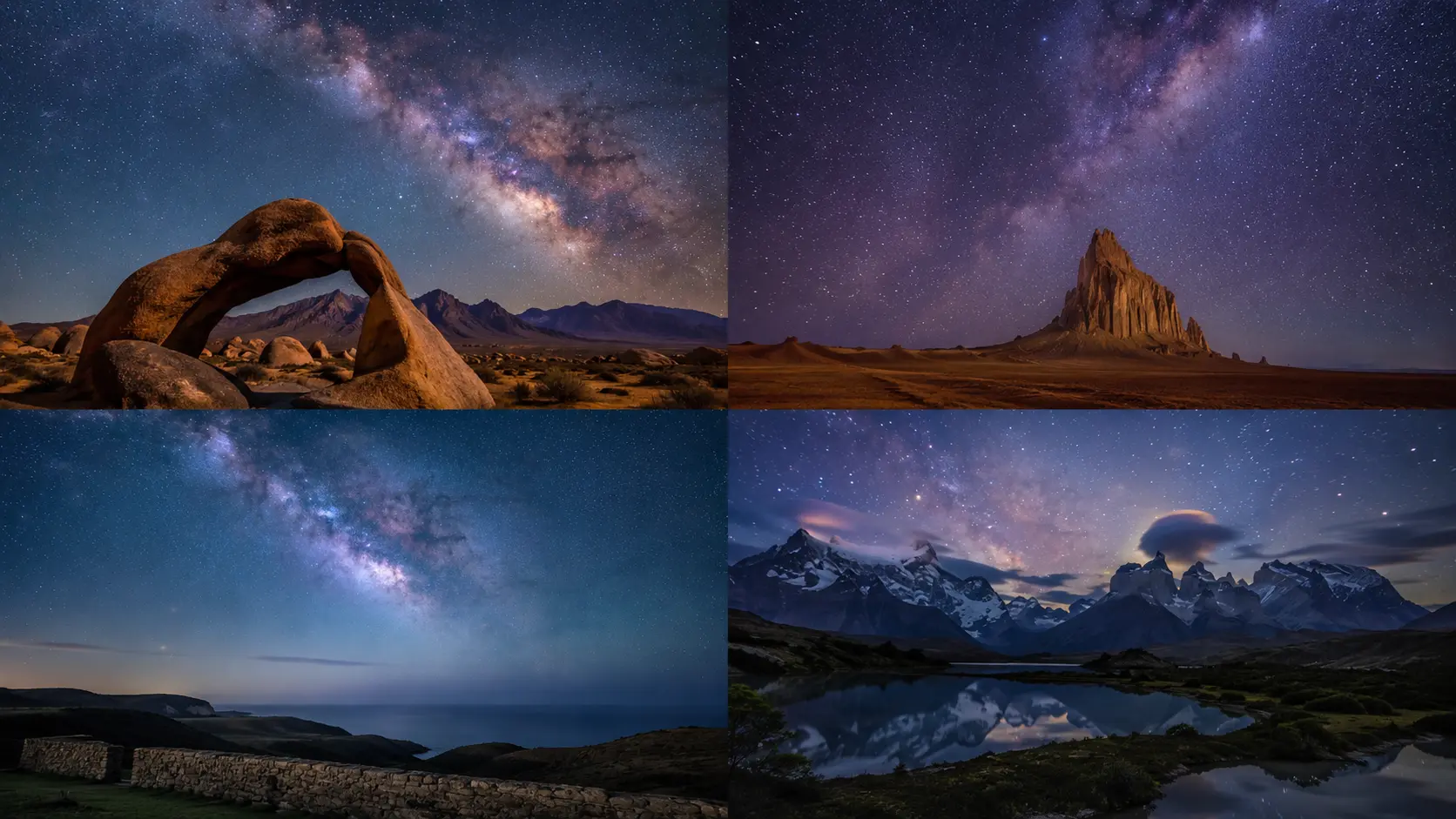
As artificial lighting spreads across much of the world, truly dark night skies are becoming increasingly rare. Certified dark sky reserves in places such as Namibia, New Mexico, Wales, and Chile now attract travelers seeking clear celestial views, minimal light pollution, and a stronger connection to the night sky.
Why Dark Sky Tourism Is Growing Worldwide
For most of human history, people lived beneath skies filled with visible stars, planets, and the Milky Way. Today, however, urban expansion and artificial lighting have dramatically reduced night sky visibility across large parts of the world. In response, dark sky tourism has emerged as a growing form of travel centered on destinations where natural darkness remains protected from excessive light pollution. Scientific organizations and environmental groups now certify dark sky reserves, parks, and observatories based on strict standards related to artificial lighting, atmospheric clarity, and long-term conservation. These locations provide travelers with opportunities to experience night skies largely unaffected by urban illumination, revealing constellations and celestial detail often invisible in modern cities. Beyond astronomy alone, dark sky travel appeals to visitors interested in photography, wilderness experiences, environmental preservation, and the emotional impact of seeing an uninterrupted sky filled with stars. Many travelers describe the experience as unexpectedly powerful because it restores a sense of scale and natural darkness largely absent from contemporary urban life.
Namibia, New Mexico, Wales, and Chile’s Dark Sky Regions
Namibia contains some of the darkest recorded skies in Africa due to its low population density, dry climate, and vast desert landscapes. Areas near the NamibRand Nature Reserve are internationally recognized for exceptionally clear atmospheric conditions that make stargazing possible throughout much of the year, particularly between May and September when skies remain cooler and drier. In the United States, New Mexico’s high desert environments and protected observatory regions attract astronomers and travelers seeking clear night visibility far from major metropolitan light pollution. Autumn and spring are often considered ideal periods because temperatures remain moderate while skies stay relatively stable. Wales has also become an important dark sky destination through protected areas such as Snowdonia and the Brecon Beacons, where conservation policies limit artificial lighting across rural mountain landscapes. Winter months often provide the longest periods of darkness despite more unpredictable weather conditions. In Chile, the Atacama Desert offers some of the clearest night skies on Earth because of its high altitude, extremely dry air, and minimal cloud cover. The region’s observatories and astronomy tourism infrastructure are especially active between April and October when atmospheric conditions remain highly favorable for celestial observation.
What It Feels Like to Experience a True Dark Sky
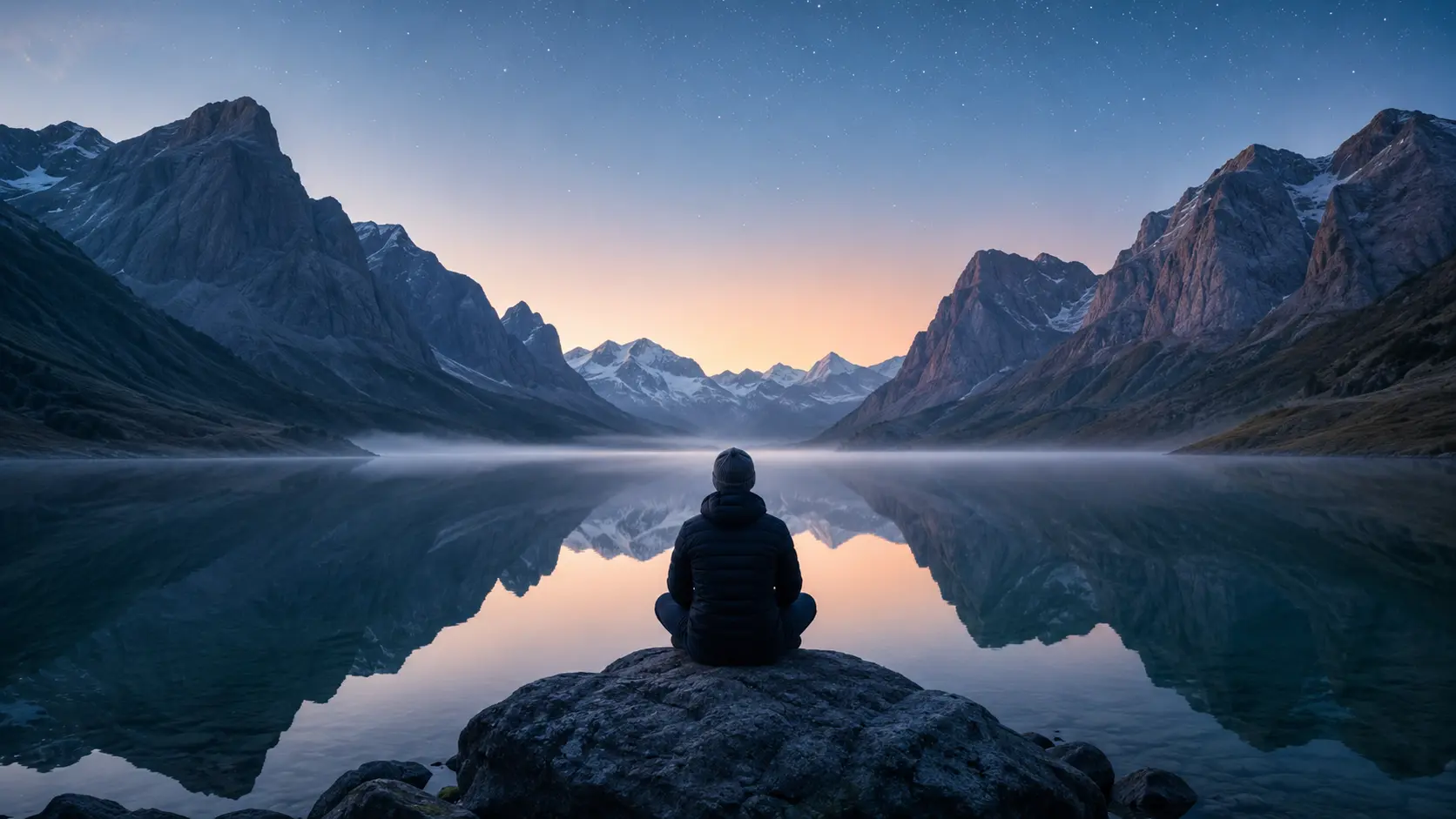
Travelers visiting certified dark sky regions often describe the experience as profoundly different from ordinary nighttime environments shaped by artificial illumination. In remote reserves and desert landscapes, the Milky Way can become visible as a dense and continuous band stretching across the sky rather than a faint or invisible pattern. Individual stars appear sharper and more numerous, while planets, meteor showers, and distant constellations become easier to observe without telescopes. In places such as the Namib Desert or Chile’s Atacama Plateau, the surrounding silence and isolation intensify the visual scale of the night sky itself. Mountain regions in Wales and high desert plateaus in New Mexico create a different atmosphere where colder air, open horizons, and seasonal darkness shape the experience of nighttime observation. Many visitors report that extended exposure to natural darkness changes their perception of time and environment because artificial lighting no longer dominates the landscape. Photography enthusiasts are also drawn to dark sky reserves because the absence of light pollution allows long-exposure images that reveal celestial detail impossible to capture near urban areas.
Planning and Practical Considerations for Dark Sky Travel
Successful dark sky travel depends heavily on weather conditions, moon phases, seasonal timing, and geographic elevation. Clear skies are essential for optimal visibility, making dry climates and high-altitude regions particularly valuable for astronomy tourism. Travelers often plan visits around new moon periods when natural darkness is strongest and moonlight does not reduce star visibility. Temperature conditions can vary dramatically between daytime and nighttime in desert and mountain environments, requiring warm clothing even in regions known for hot climates. Remote dark sky reserves may also involve limited infrastructure, reduced mobile connectivity, and long travel distances between accommodations and observation areas. Many reserves encourage responsible nighttime behavior by restricting bright flashlights, vehicle lights, and unnecessary illumination in order to preserve the quality of the night environment for both wildlife and visitors. Guided astronomy tours and observatories are increasingly common in major dark sky regions, providing educational programs focused on celestial navigation, astrophotography, and astronomical research. Travelers willing to adapt to nighttime schedules and remote conditions often find that dark sky destinations offer a form of environmental immersion difficult to experience elsewhere.
Why Dark Sky Reserves Matter Beyond Tourism
Dark sky reserves are becoming increasingly important not only for travelers but also for environmental conservation and scientific awareness. These protected areas preserve natural darkness as part of the broader ecosystem, benefiting wildlife species affected by excessive artificial lighting and helping maintain cultural connections to astronomy and navigation traditions. Whether beneath Namibia’s desert skies, New Mexico’s high plains, Wales’ mountain landscapes, or Chile’s observatory regions, visitors encounter environments where the night sky remains a dominant natural feature rather than a fading background. As light pollution continues expanding globally, dark sky tourism highlights the growing value of places where people can still experience the stars with remarkable clarity and scale.