Overwater accommodations are no longer limited to tropical island resorts in the Indian Ocean. Across Scandinavia, Belize, and coastal Canada, floating cabins and waterfront lodges now offer travelers distinctive stays that combine scenic isolation, environmental design, and direct access to remote natural landscapes.
How Floating Cabins Expanded Beyond Tropical Resorts
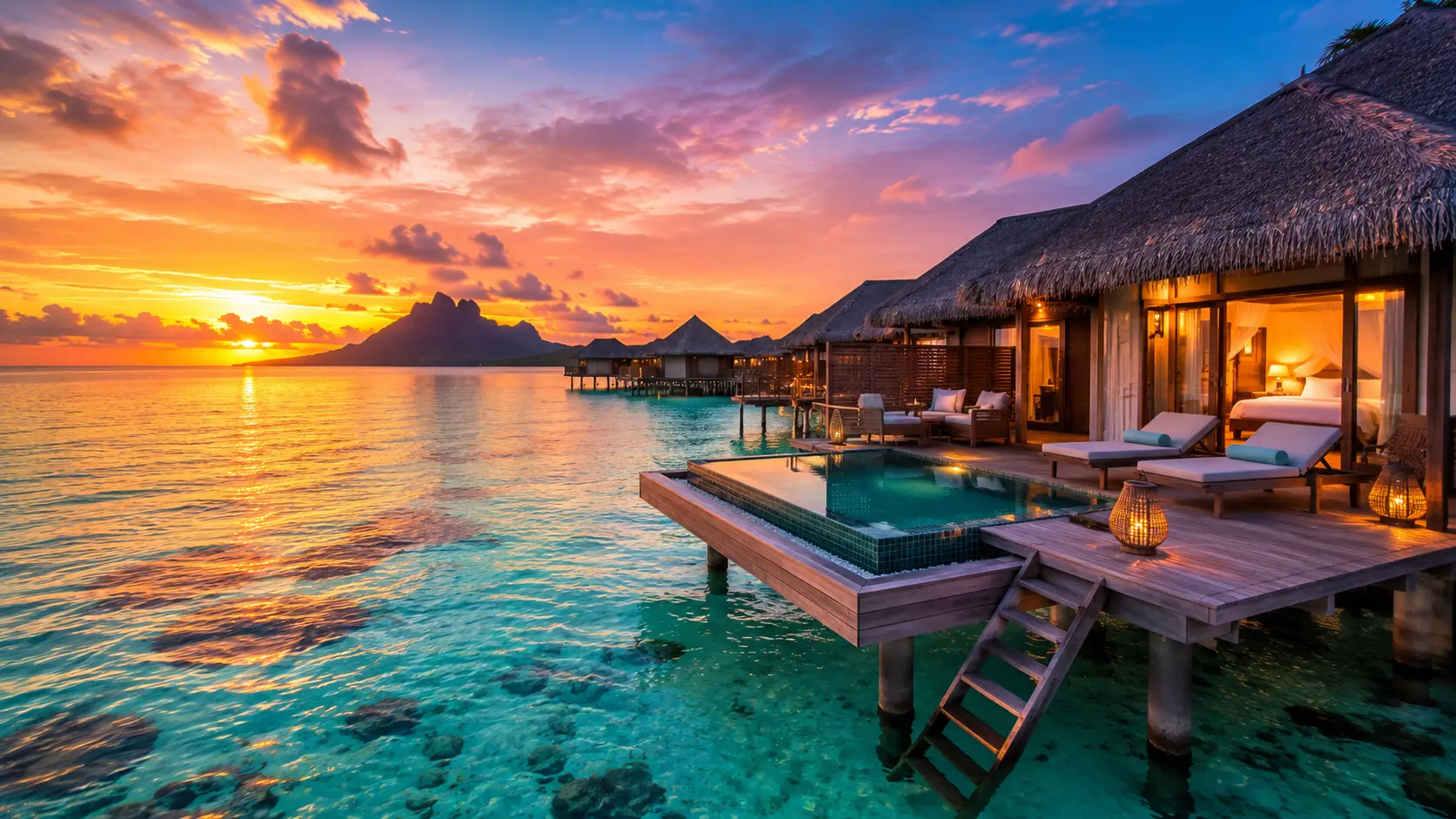
Overwater bungalows became internationally recognized through luxury resorts in the Maldives and the South Pacific, but similar concepts are now appearing in colder and less conventional destinations around the world. In Scandinavia, Canada, and parts of Central America, floating cabins have evolved into architectural retreats that emphasize nature, sustainability, and regional identity rather than large-scale resort tourism. These accommodations range from minimalist Nordic structures suspended above icy fjords to eco-lodges positioned over mangrove lagoons and quiet coastal inlets. Many are designed to create direct interaction with surrounding landscapes through panoramic windows, outdoor decks, and water-level access points. Unlike traditional beachfront hotels, floating cabins often prioritize privacy, environmental integration, and slower travel experiences shaped by weather, wildlife, and changing light conditions. Travelers are increasingly drawn to these properties because they offer the atmosphere of overwater living without relying on crowded tropical destinations or conventional luxury resort settings.
Scandinavia, Belize, and Canada’s Distinctive Floating Retreats
Scandinavia has become one of the leading regions for innovative floating accommodations, particularly in Norway and Sweden where cabins are positioned along quiet fjords, forest lakes, and Arctic coastlines. Many Nordic properties focus on minimalist architecture using natural timber, energy-efficient construction, and large glass walls designed to frame surrounding landscapes. In winter, guests may experience snow-covered scenery and northern lights directly from waterfront cabins, while summer brings extended daylight and calmer coastal conditions. Belize offers a contrasting version of overwater lodging through eco-focused cabins located above shallow Caribbean waters and mangrove ecosystems. These properties often emphasize marine conservation, local materials, and small-scale hospitality rather than expansive resort development. In Canada, floating accommodations have become increasingly popular along British Columbia’s rugged coastline, where cabins and floating lodges provide access to remote inlets, wildlife reserves, and forested islands. Some Canadian properties are reachable only by boat or seaplane, reinforcing the sense of isolation that defines many overwater experiences. Across all three regions, the emphasis tends to remain on landscape immersion and environmental connection rather than purely tropical luxury aesthetics.
What the Floating Cabin Experience Feels Like
Staying in a floating cabin creates a different relationship with the surrounding environment compared with conventional coastal accommodations. Water movement, shifting weather, and natural sound become constant parts of the experience, especially in locations where cabins sit directly above open sea, lakes, or sheltered inlets. Interiors are often designed to emphasize simplicity and unobstructed views, with natural materials, soft lighting, and compact layouts intended to complement rather than compete with the landscape outside. Many floating cabins include private decks that allow guests to swim, kayak, or observe wildlife directly from the accommodation itself. In Scandinavia and Canada, visitors frequently encounter seals, seabirds, or migrating whales near the cabins, while Belizean properties may offer views of coral reefs and tropical marine life beneath elevated walkways. Because many floating accommodations are intentionally remote, the atmosphere tends to be quieter and slower than traditional resort environments. Guests often spend more time observing changing weather patterns, sunrise reflections, and surrounding ecosystems than participating in structured entertainment or commercial tourism activities.
Important Considerations Before Booking an Overwater Stay
Floating accommodations can vary significantly depending on climate, accessibility, and environmental conditions. In colder regions such as Norway or coastal Canada, weather changes may affect transport schedules and outdoor activities, particularly during winter months. Some cabins are accessible only by ferry, small boat, or seasonal transport routes, requiring travelers to plan arrival times carefully. Water movement can also influence comfort levels, especially for guests unfamiliar with floating structures or sensitive to motion. Sustainability policies are common among overwater properties because many are located in environmentally sensitive coastal areas where waste management, energy use, and marine conservation are closely regulated. Travelers should also expect differences in available amenities since remote floating cabins may intentionally limit technology, large dining facilities, or extensive commercial services in favor of a quieter natural setting. Seasonal conditions strongly shape the atmosphere as well, with tropical destinations emphasizing warm marine environments while northern locations focus on dramatic weather, wildlife observation, and changing Arctic or coastal light patterns throughout the year.
Why Floating Cabins Continue to Gain Global Attention
Floating cabins are becoming increasingly popular because they combine architectural innovation with direct immersion in natural environments. Unlike traditional resorts centered on large-scale tourism infrastructure, these accommodations often emphasize isolation, sustainability, and close interaction with surrounding landscapes. Whether positioned above Caribbean waters in Belize or beside Scandinavian fjords and Canadian inlets, overwater stays offer travelers a distinctive perspective shaped by weather, water, and environmental design. As experiential travel continues to evolve, floating cabins demonstrate how hospitality can adapt to diverse climates and regions while preserving the sense of escape traditionally associated with overwater living.