Converted railway carriages across Europe offer travelers an alternative form of accommodation rooted in transport history and industrial design. From restored sleeper wagons to stationary luxury suites, these properties preserve the atmosphere of classic rail travel while adapting historic trains for modern hospitality.
Historic Rail Cars Reimagined as Overnight Stays
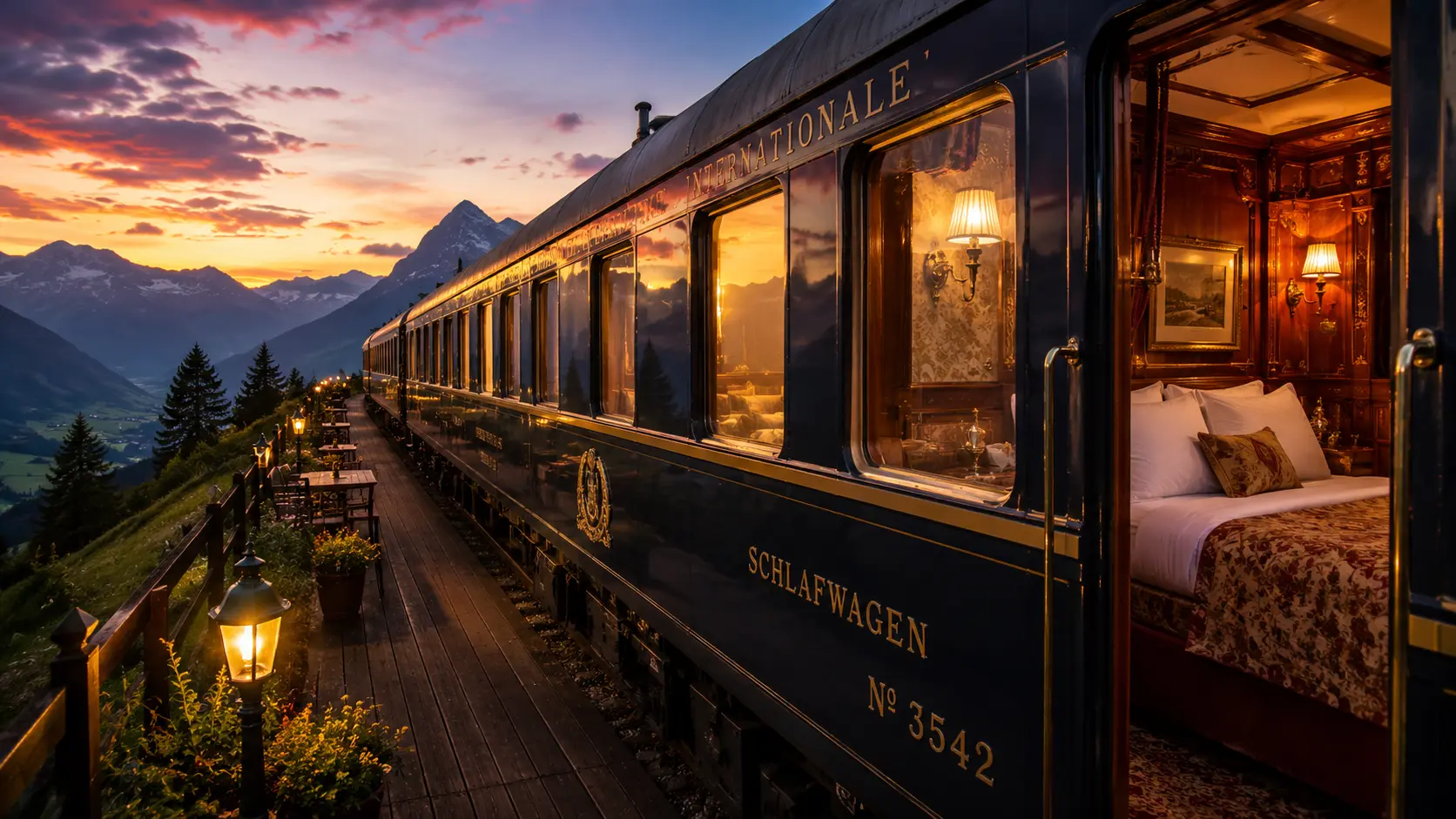
Railway hotels built inside restored train carriages combine nostalgia, engineering heritage, and regional tourism in a distinctive accommodation format. Across Europe, decommissioned wagons once used for long-distance travel, postal service, or luxury rail routes have been transformed into stationary guest suites. Many properties preserve original wood interiors, brass fixtures, compartment layouts, and panoramic windows while integrating modern heating, private bathrooms, and updated sleeping arrangements. The experience appeals to travelers interested in railway history as well as visitors seeking accommodations with architectural character and historical context.
Regions Known for Railway Carriage Hotels
Several European countries have developed notable railway lodging projects connected to their transport heritage. In the United Kingdom, restored sleeper cars and Victorian-era wagons are often positioned in rural landscapes near former rail lines, allowing guests to experience preserved compartments surrounded by countryside scenery. France and Belgium feature boutique properties using classic Orient Express-style coaches or regional passenger wagons adapted into upscale suites. In Scandinavia, retired rail cars have been integrated into eco-tourism developments that emphasize quiet natural settings and minimalist Nordic interiors. Central and Eastern Europe also contain heritage rail accommodations linked to industrial preservation projects, particularly in areas where historic train stations and rail depots remain culturally significant. Some railway hotels maintain operational connections with nearby heritage railways, allowing guests to combine overnight stays with short scenic journeys aboard restored locomotives. Others function entirely as stationary boutique hotels while preserving the visual identity of traditional European passenger trains. Travelers are often drawn to these properties because they combine compact design, transport history, and immersive storytelling connected to earlier eras of continental travel.
How Railway Carriage Hotels Operate
Most converted railway accommodations function as small hospitality properties with a limited number of guest units, making advance reservations especially important during holiday seasons. Some locations offer individual wagons positioned beside restored stations, while others arrange multiple connected carriages into larger hotel complexes with shared dining and lounge facilities. Interior layouts vary depending on the original design of the train cars, with certain properties maintaining compartment-style sleeping arrangements and others removing partitions to create open suites. Because many rail carriages were built decades ago, renovation projects must balance historical preservation with modern building regulations related to insulation, plumbing, and accessibility. In alpine and northern regions, seasonal weather conditions can influence operations, particularly where railway hotels are located in mountainous or remote rural environments. Some accommodations emphasize authenticity by preserving traditional conductor bells, vintage signage, and period furnishings, while others adopt a more contemporary interpretation using modern Scandinavian or industrial design elements. Guests commonly find that railway hotels focus more on atmosphere and historical character than on large-scale resort services or extensive entertainment facilities.
Design Features and Travel Considerations
One of the defining aspects of railway carriage accommodations is the efficient use of compact interior space. Original train dimensions often result in narrower corridors, smaller bathrooms, and lower ceiling heights compared with conventional hotels. Travelers interested in railway stays should therefore review room measurements and accessibility details carefully before booking. Sound insulation can vary depending on restoration quality and surrounding rail activity, especially at properties located near active heritage lines or transportation museums. Many carriage hotels incorporate large windows that frame countryside, forests, mountains, or coastal routes once connected to historic rail networks. Some suites retain fold-down bunks, luggage racks, or dining compartments to preserve the atmosphere of classic sleeper travel. Sustainability also plays an important role in many projects because adaptive reuse allows historic transport equipment to remain functional rather than abandoned or dismantled. Several operators emphasize local sourcing, energy-efficient restoration techniques, and cultural preservation as central parts of the guest experience. Seasonal demand tends to increase during summer and holiday travel periods, particularly in regions where railway tourism overlaps with hiking routes, winter sports destinations, or heritage festivals.
Why Railway Accommodation Continues to Attract Travelers
Converted train hotels continue to grow in popularity because they offer a direct connection to Europe’s long history of rail travel while providing accommodations that differ significantly from standard hotels. The preserved details inside vintage carriages create a sense of movement and historical continuity even when the trains remain stationary. Whether located beside alpine rail lines, rural stations, or former industrial depots, these properties allow travelers to experience transportation history through architecture and design. As heritage tourism expands across Europe, railway carriage hotels increasingly serve as examples of how historic infrastructure can be adapted into memorable overnight destinations without losing its original cultural identity.