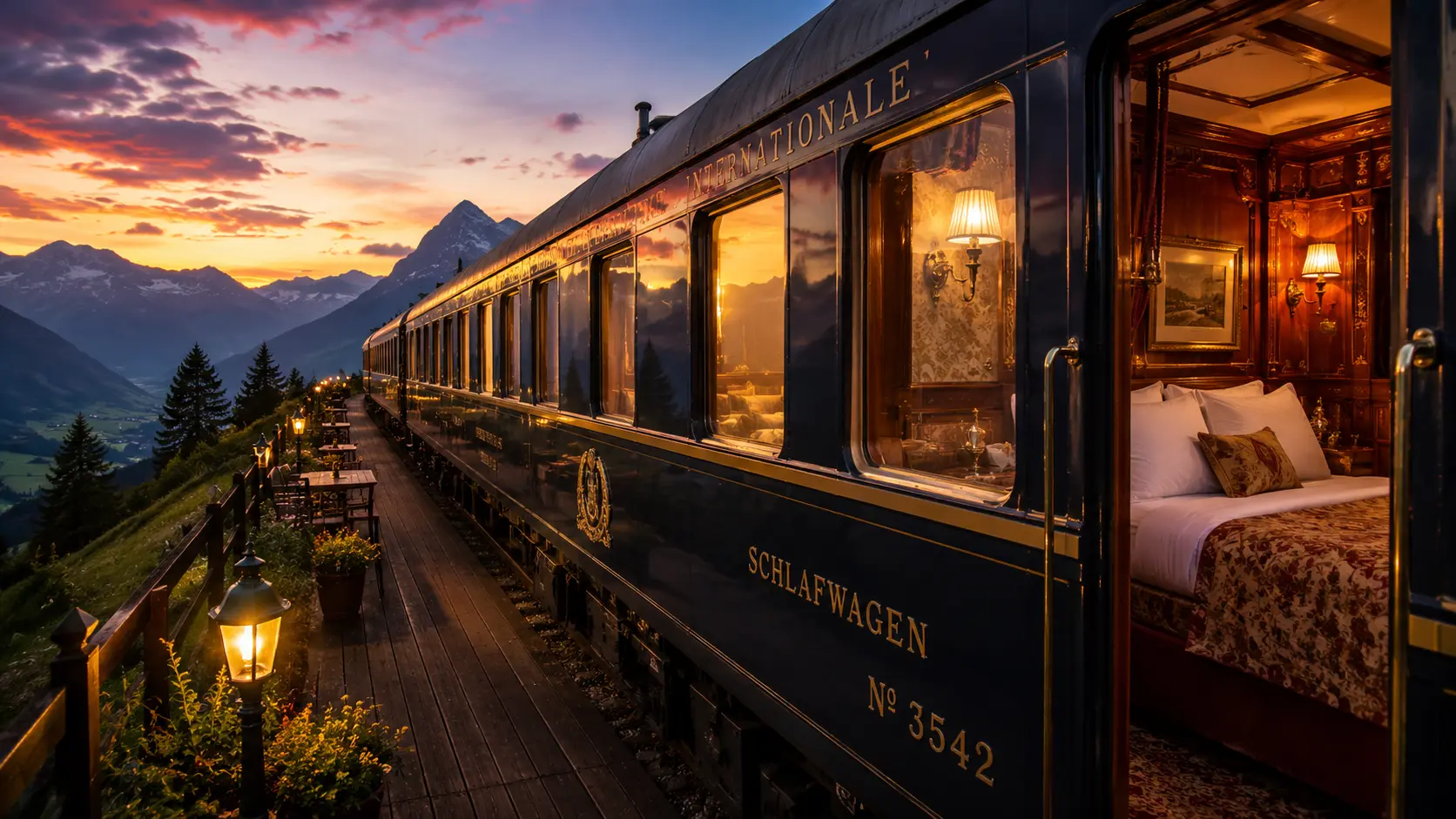
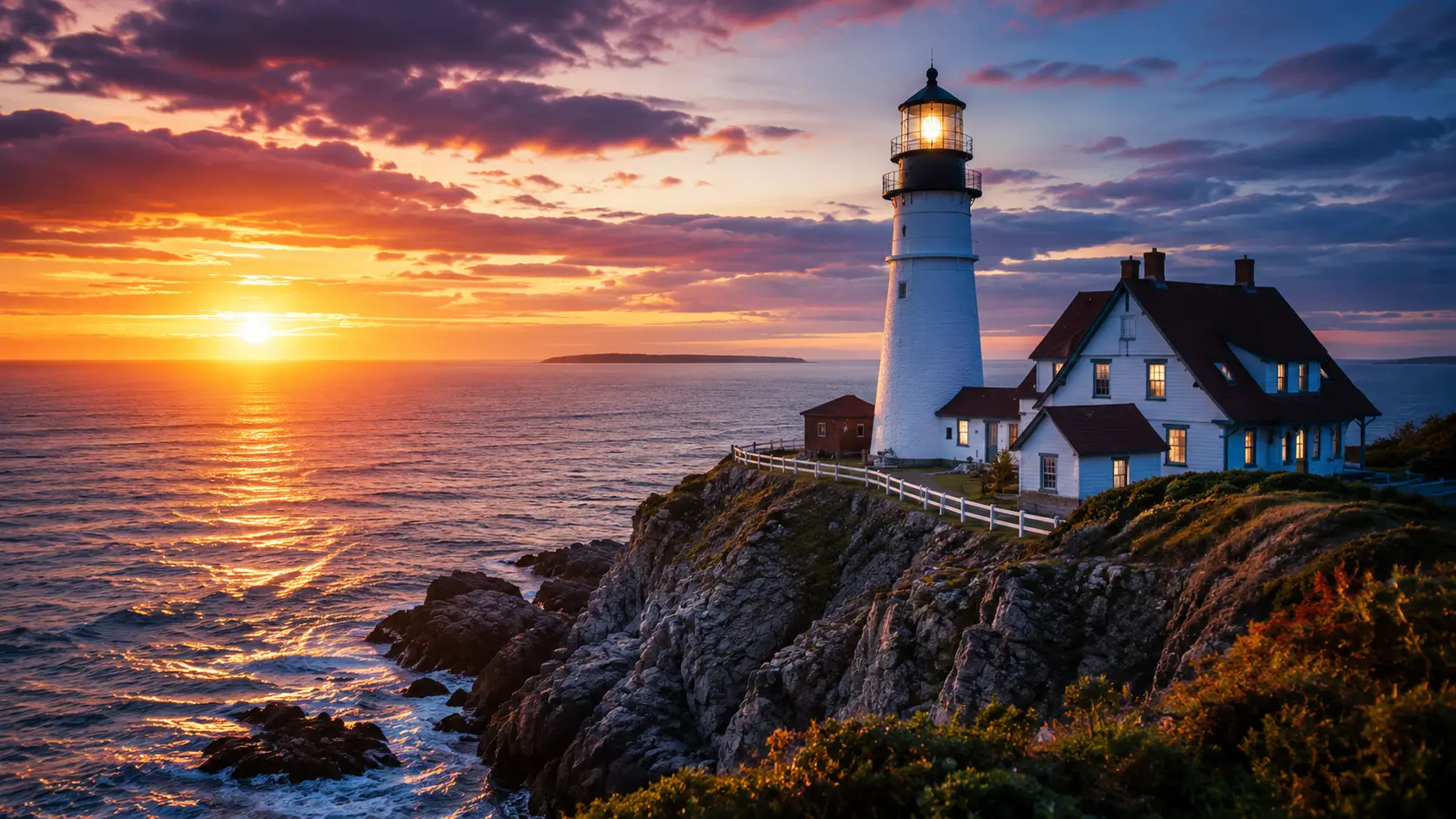
Historic lighthouse accommodations combine maritime heritage, remote scenery, and distinctive architecture. Across coastal regions in Europe and North America, restored towers and keeper cottages now offer travelers an unusual way to experience shorelines shaped by navigation history.
Coastal Escapes Built Around Maritime History
Staying overnight in a lighthouse offers a rare combination of isolation, heritage preservation, and direct access to dramatic coastal landscapes. From storm-washed Norwegian cliffs to quiet New England harbors, lighthouse lodging allows travelers to experience structures once central to maritime safety. Many properties retain original lantern rooms, stone walls, and keeper quarters while adding modern accommodations designed for extended stays and cultural tourism.
Where Lighthouse Accommodations Are Most Common
Norway remains one of the most recognized destinations for lighthouse lodging because of its extensive coastline and longstanding maritime traditions. Converted stations along the North Sea and Arctic routes often include restored keeper homes positioned near steep cliffs, fishing villages, and protected coastal reserves. Some remain partially operational, with automated lights still guiding ships while guest accommodations occupy separate sections of the property. In the United States, lighthouse stays are especially popular along the New England coast, where historic towers overlook harbors shaped by Atlantic trade and naval history. Maine, Massachusetts, and Rhode Island contain several preserved sites managed by nonprofit organizations, local governments, or private hospitality operators. Canada, Scotland, Ireland, and parts of Croatia have also expanded heritage tourism programs connected to former lighthouse stations. Many properties emphasize environmental conservation and cultural interpretation rather than luxury tourism, creating experiences centered on local history, weather conditions, and coastal ecosystems. Travelers are often drawn to these accommodations because they provide direct exposure to shorelines that remain difficult to access through conventional hotels or resorts.
How Booking and Access Typically Work
Lighthouse accommodations vary widely in booking structure because ownership models differ between countries and regions. Some sites operate as small inns with online reservation systems, while others are managed through heritage trusts that require advance inquiries or seasonal scheduling. Remote locations frequently limit guest numbers because transportation depends on ferries, narrow coastal roads, or weather-sensitive boat transfers. In Norway and parts of Scotland, visitors may need to coordinate arrival times carefully due to changing sea conditions and limited daylight during colder months. In New England, lighthouse inns generally operate between late spring and early autumn when coastal tourism is most active. Working lighthouses often separate public guest areas from navigation equipment, allowing maritime operations to continue uninterrupted. Retired stations may include museums, guided tours, or educational exhibits explaining local shipping history and rescue operations. Travelers considering overnight stays usually benefit from reviewing accessibility conditions, stair access, meal availability, and weather policies before confirming reservations because many historic structures were not designed for modern hospitality standards.
Important Factors Before Planning a Lighthouse Stay
Weather exposure is one of the defining features of lighthouse accommodations, and it significantly shapes the overall experience. Coastal storms, heavy winds, fog, and rough seas are common elements in many lighthouse regions, particularly during autumn and winter seasons. Travelers expecting traditional resort amenities may find the environment intentionally minimal because preservation rules often restrict large-scale renovations or extensive commercial development. Some lighthouse properties offer private bathrooms and modern kitchens, while others maintain simpler arrangements that reflect historic living conditions. Accessibility can also present challenges since towers frequently contain steep staircases, narrow passages, and uneven outdoor terrain. In remote locations, internet service and mobile coverage may remain limited, creating a quieter environment centered on the surrounding landscape rather than digital connectivity. Guests should also understand that wildlife activity is common around many lighthouse stations, especially in areas known for seabird colonies, seals, or migrating whales. Seasonal daylight patterns can strongly influence the atmosphere as well, with Nordic summer stays featuring extended evening light while winter visits may emphasize dramatic storms and darker coastal scenery.
Why Lighthouse Tourism Continues to Grow
Lighthouse stays continue to attract travelers because they combine architecture, history, and landscape in a format unavailable through conventional accommodations. These properties preserve structures that once protected shipping routes while introducing visitors to coastal environments shaped by weather and maritime culture. Whether located beside Norwegian fjords or along the rocky shores of New England, lighthouse lodging emphasizes immersion in place rather than large-scale tourism infrastructure. Many travelers view the experience as an opportunity to slow travel routines, observe changing coastal conditions, and engage with local heritage in a direct and memorable setting. As restoration projects expand internationally, more historic lighthouse stations are becoming accessible to guests while maintaining their historical significance and navigational identity.