Castle hotels are often associated with luxury tourism and historic estates, but many medieval properties across Europe now offer affordable overnight stays. From restored Irish fortresses to Romanian hilltop castles, travelers can experience centuries of history without the high costs traditionally linked to royal accommodations.
Why Medieval Castle Stays Are Becoming More Accessible
For centuries, castles symbolized wealth, military power, and aristocratic life, making them appear far removed from ordinary travel experiences. Today, however, many historic fortresses, manor castles, and defensive towers across Europe have been adapted into guest accommodations designed for a much broader range of travelers. In countries such as Ireland, Romania, Scotland, and parts of Central Europe, restoration programs and heritage tourism initiatives have transformed medieval structures into inns, hostels, and small boutique hotels that preserve historical character while remaining relatively affordable. Unlike luxury palace resorts that focus heavily on exclusivity, many budget-friendly castle stays emphasize atmosphere, cultural heritage, and architectural preservation. Guests can sleep inside stone towers, former guard quarters, and centuries-old halls while still accessing modern comforts such as heating, private bathrooms, and updated hospitality services. These properties appeal to travelers seeking immersive historical experiences rather than conventional hotel environments, offering direct access to landscapes and buildings shaped by medieval European history.
Ireland and Romania’s Historic Castle Accommodations
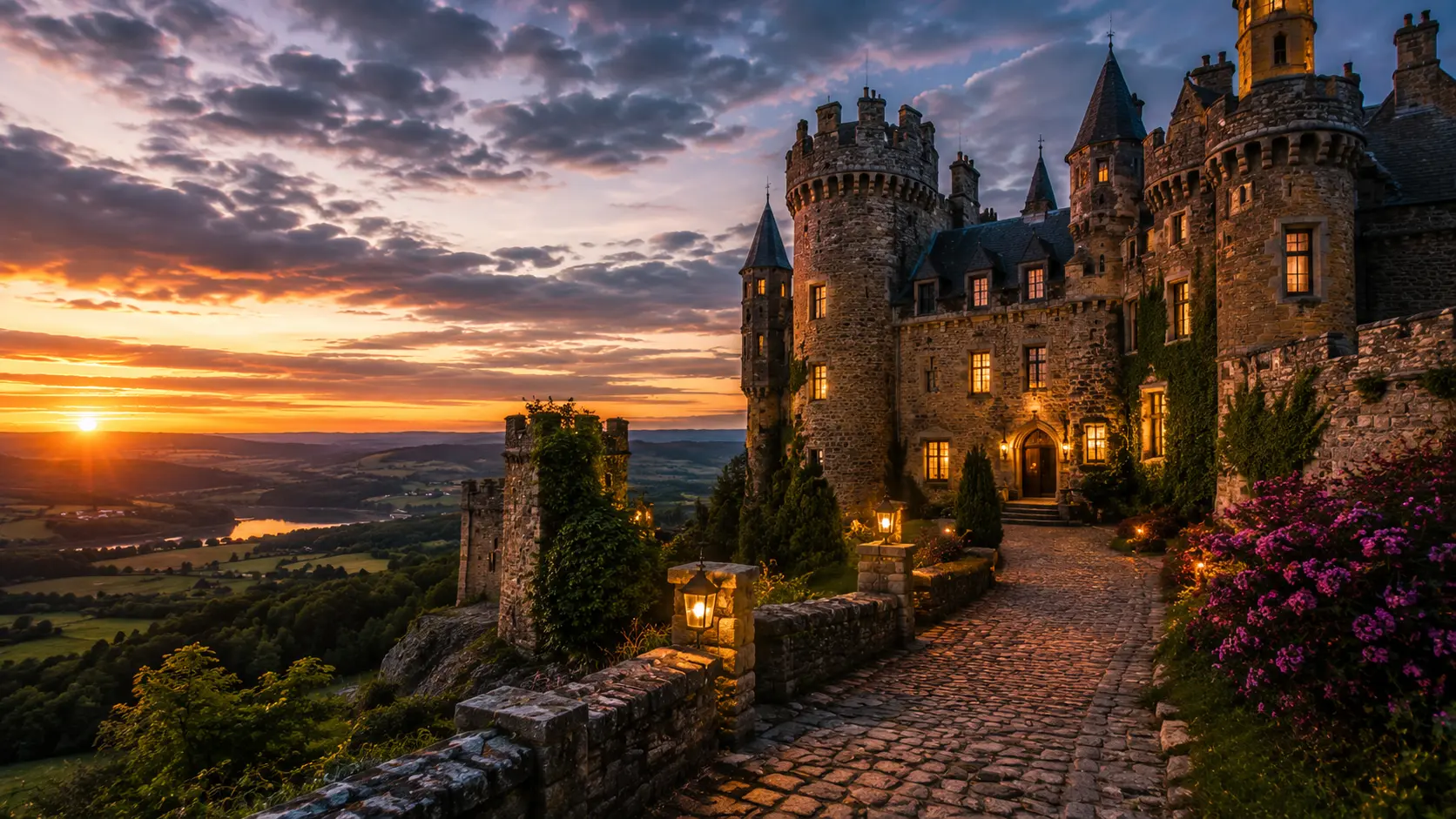
Ireland remains one of the most recognized destinations for castle lodging because of its large number of preserved medieval estates and fortified manor houses. While some operate as luxury hotels, others provide smaller guest rooms, hostel-style accommodations, or seasonal lodging options that make castle stays more accessible to independent travelers. Many Irish properties are surrounded by coastal scenery, forests, or rural villages, creating a setting closely tied to local folklore and regional history. Romania offers a different atmosphere shaped by Transylvanian fortresses, Saxon citadels, and mountain strongholds linked to medieval trade routes and defensive architecture. Several Romanian castles have been adapted into affordable guesthouses and heritage inns that maintain original stone walls, wooden interiors, and traditional regional design. In both countries, travelers often find that smaller castle properties focus less on luxury services and more on preserving authenticity through historical details, local cuisine, and guided access to surrounding heritage sites. Similar accommodations can also be found in Wales, the Czech Republic, and Hungary, where former defensive structures now operate as distinctive overnight stays connected to regional tourism and preservation efforts.
What It Feels Like to Stay Inside a Medieval Castle
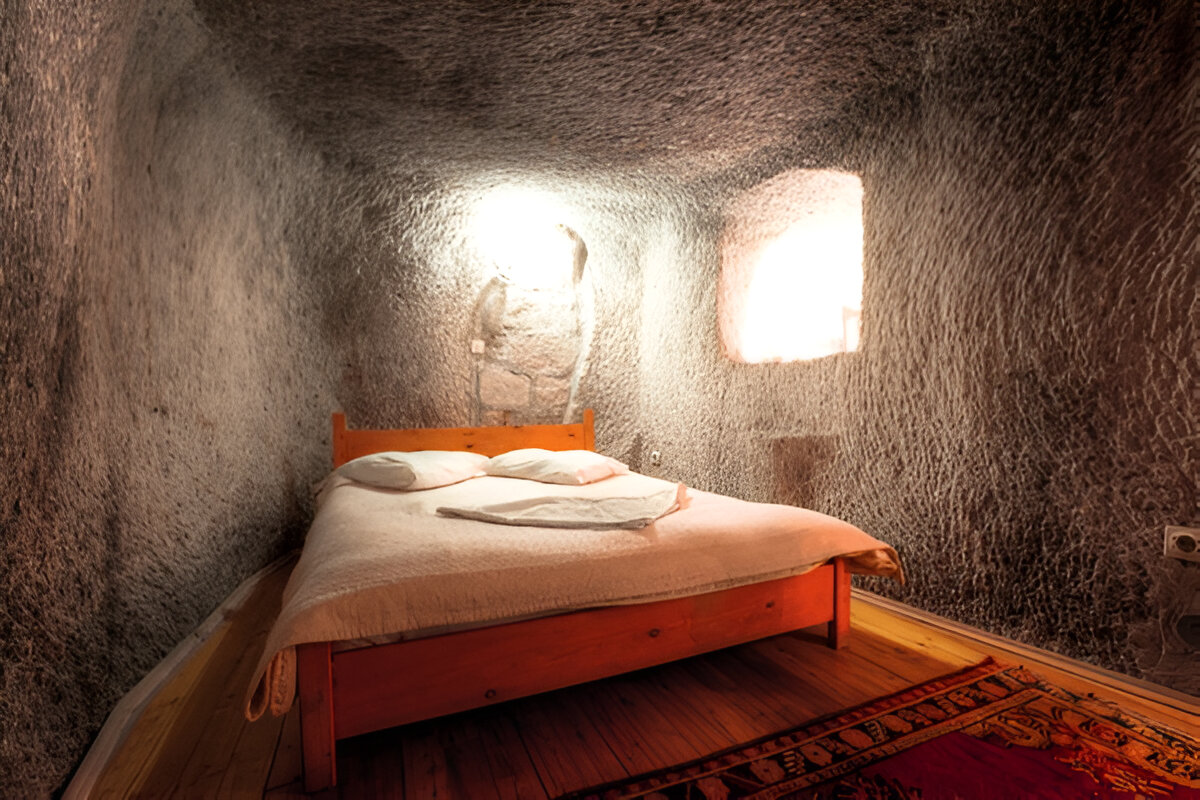
Sleeping in a castle creates an atmosphere that differs significantly from modern hotels because the architecture itself shapes the experience. Thick stone walls, arched corridors, spiral staircases, and timber ceilings contribute to an environment closely tied to the building’s original historical purpose. Many castle accommodations preserve medieval features such as fireplaces, courtyards, defensive towers, and antique furnishings while carefully integrating contemporary amenities into the structure. Guests often experience quieter surroundings because castles are frequently located in rural areas or elevated landscapes away from dense urban centers. In Ireland, coastal fog and rain can add to the dramatic setting, while Romanian castles positioned near mountain forests create a more secluded atmosphere connected to regional legends and folklore. Some properties offer communal dining halls or libraries that encourage slower travel experiences focused on history and architecture rather than entertainment-driven tourism. Because many castles were originally built for defense rather than comfort, room layouts can vary widely, with irregular floor plans, narrow stairways, and uniquely shaped chambers adding to the sense of authenticity.
Important Considerations Before Booking a Castle Stay
Travelers interested in medieval accommodations should understand that historic preservation often limits large-scale modernization within castle properties. Accessibility can therefore present challenges, particularly in buildings with steep staircases, uneven stone flooring, or limited elevator access. Heating systems and insulation may also differ from conventional hotels because many castles were constructed centuries before modern climate control standards. Some properties intentionally preserve a rustic atmosphere that prioritizes historical character over contemporary luxury design. Seasonal conditions can strongly influence the overall experience as well, especially in regions where colder weather, fog, or heavy rain contribute to the dramatic appearance of the castles themselves. Guests should also review transportation access carefully since many medieval properties are located in remote countryside settings requiring rental vehicles or regional train connections. Despite these practical considerations, budget-friendly castle accommodations often provide an unusually immersive travel experience that combines architecture, local history, and regional landscapes in ways difficult to replicate through standard lodging options.
Why Affordable Castle Tourism Continues to Grow
Budget-friendly castle stays continue to attract travelers because they transform historic landmarks into accessible cultural experiences rather than distant luxury symbols. These accommodations allow visitors to engage directly with medieval architecture, regional history, and preserved heritage landscapes while maintaining manageable travel costs. Whether overlooking the Irish countryside or standing above Romanian mountain valleys, castle hotels and guesthouses provide an atmosphere shaped by centuries of political, military, and social history. As heritage tourism expands across Europe, more medieval properties are being restored into overnight accommodations that balance preservation with practical hospitality, allowing travelers to experience life inside historic fortresses without requiring aristocratic budgets.