Border markets are among the world’s most dynamic trading spaces, where languages, currencies, foods, and traditions mix across national frontiers. From Southeast Asia to North Africa and South Asia, these markets reveal how commerce continues to connect communities despite political boundaries and changing borders.
How Border Markets Became Crossroads of Culture and Trade
For centuries, border regions have functioned as meeting points where merchants, travelers, and local communities exchanged goods, ideas, and cultural traditions. Unlike formal commercial centers shaped by modern infrastructure, many border markets evolved organically around crossings used by traders moving between neighboring countries. These markets often developed in places where geography made movement possible despite political separation, creating environments where different languages, currencies, and customs naturally intersected. In regions such as Southeast Asia, North Africa, and South Asia, border trade continues to influence everyday life through informal commerce, food culture, and regional transportation networks. Markets near international crossings frequently sell products unavailable elsewhere because traders bring local goods, agricultural produce, textiles, spices, and handmade items from both sides of the frontier. Travelers are increasingly drawn to these destinations because they offer a direct view into how borders shape economic survival, migration, and cultural blending at a local level. The atmosphere in border markets is often fast-moving and highly layered, with negotiation, transport activity, and street food traditions combining into environments unlike those found in conventional tourist districts.
Myanmar–Thailand, Morocco–Spain, and India–Bangladesh Border Markets
Along the Myanmar–Thailand frontier, markets near towns such as Mae Sot and Myawaddy have long served as major trading hubs connecting Southeast Asian supply routes and local communities divided by political boundaries. Vendors sell regional produce, textiles, electronics, and traditional foods while transport vehicles move constantly between checkpoints and warehouse districts. In North Africa, trade routes linking Morocco with the Spanish territories near the Strait of Gibraltar have produced dense commercial zones shaped by migration, customs controls, and cross-border commerce. Markets in these areas reflect both African and European influences through language, architecture, and food culture. In South Asia, border markets between India and Bangladesh operate within regions where communities often share historical ties, family connections, and cultural traditions despite belonging to different states after twentieth-century partition. Local bazaars in these borderlands sell spices, fabrics, seafood, handcrafted goods, and regional street foods that reflect centuries of interconnected trade. Although each border region has its own political realities and economic structures, all of these markets function as spaces where national boundaries become intertwined with everyday commercial life and cultural exchange.
What Visitors Experience Inside Border Markets
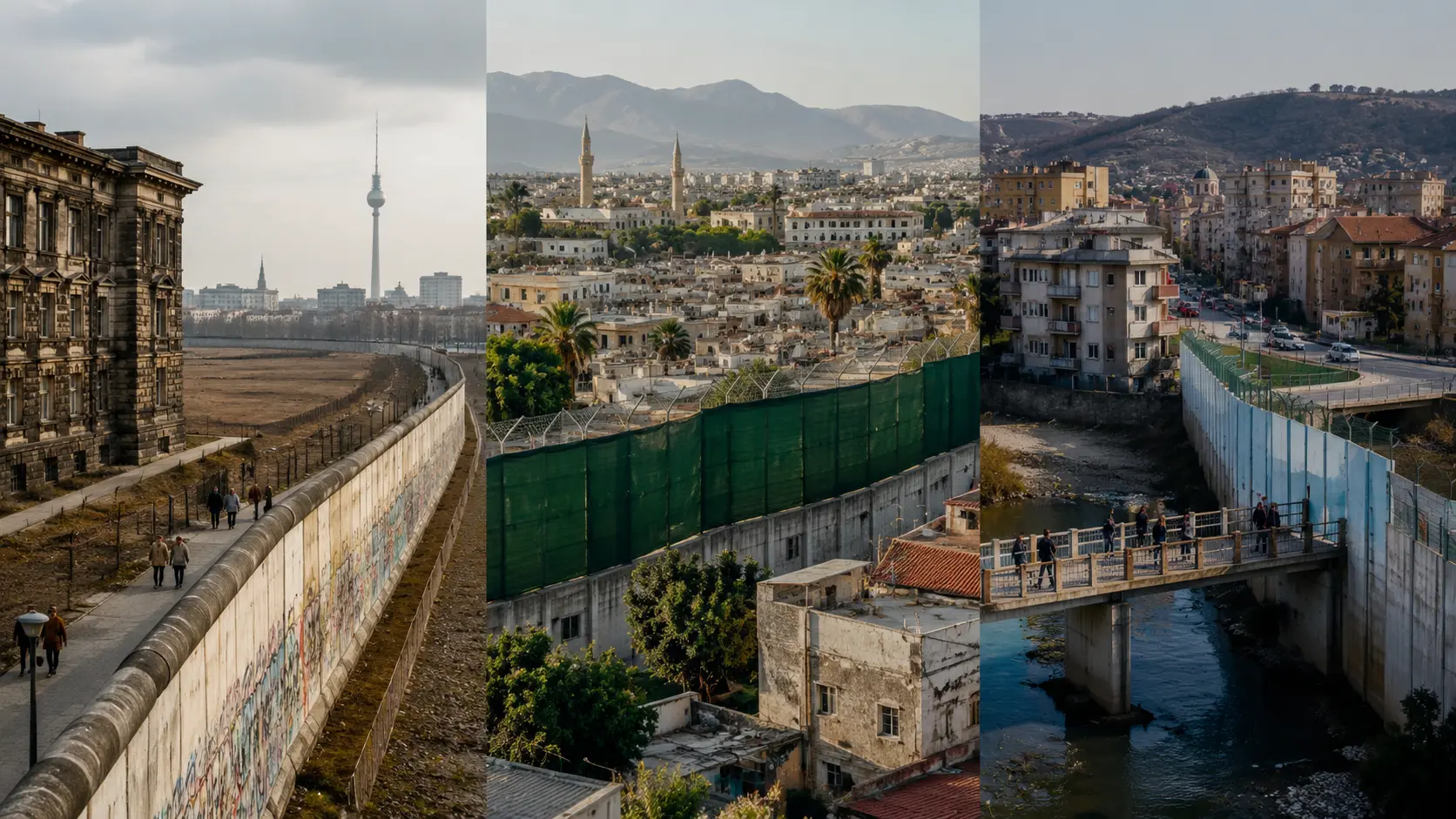
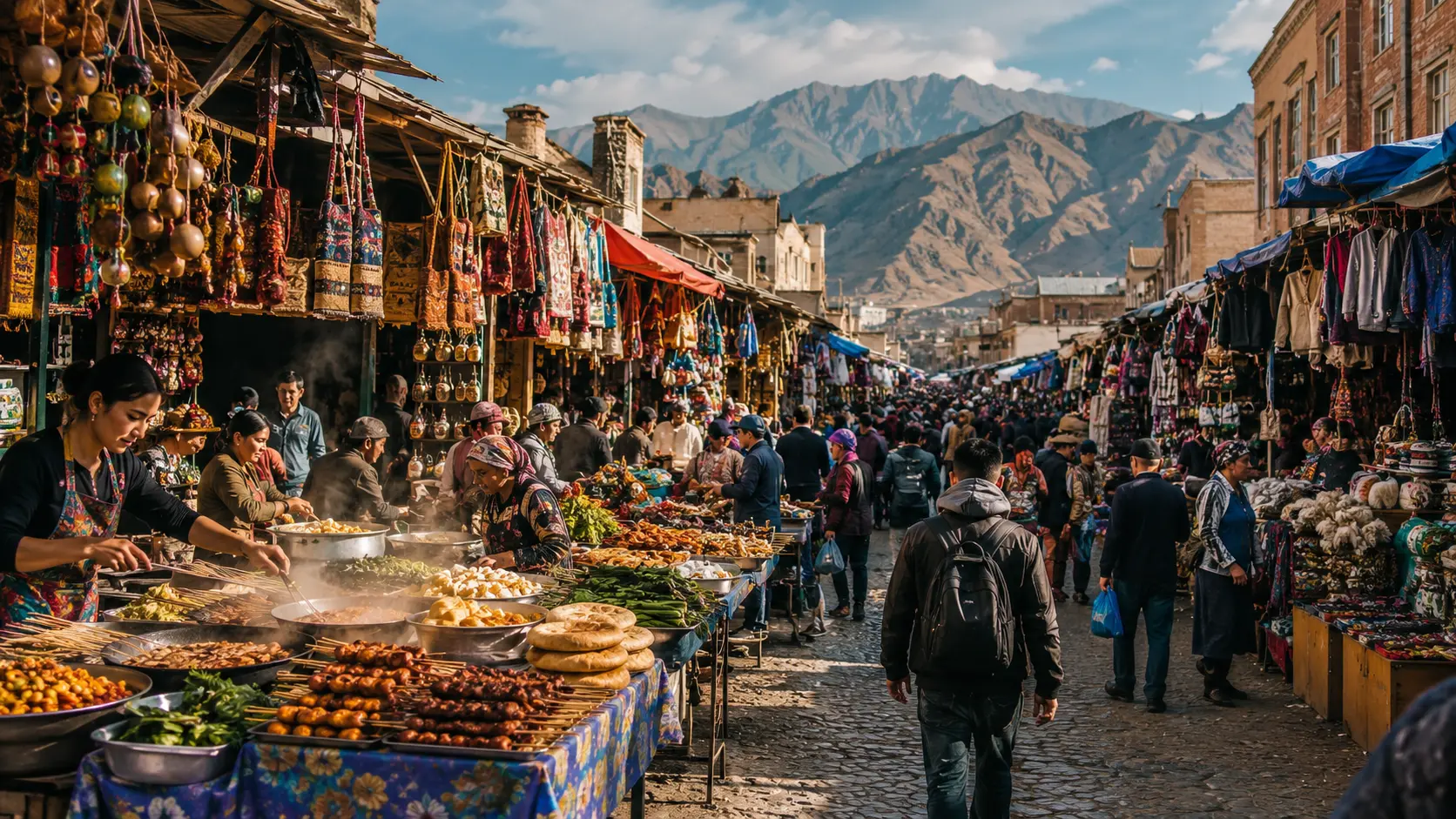
Border markets are often defined by movement and sensory intensity. Crowded lanes filled with traders, transport workers, shoppers, and food vendors create environments where multiple cultures interact within a concentrated physical space. Travelers moving through these markets may hear several languages spoken simultaneously while encountering products and cuisines influenced by neighboring countries on both sides of the border. Street food plays a particularly important role because border communities frequently combine culinary traditions through shared ingredients, cooking methods, and regional trade. In Southeast Asia, markets may feature grilled seafood, noodle dishes, tropical fruits, and tea stalls influenced by both Thai and Burmese cuisine. North African crossings often combine Moroccan spices, bread, and tea culture with products imported through Mediterranean trade routes. South Asian border bazaars are known for sweets, rice dishes, fish markets, and regional snacks reflecting Bengali culinary traditions. Beyond food and commerce, many border markets also reveal visible contrasts between customs systems, transportation infrastructure, and political authority. Checkpoints, fences, currency exchange stalls, and security inspections often exist only steps away from crowded informal trading spaces and busy pedestrian activity.
Challenges and Realities of Border Commerce
Border markets operate within environments shaped by changing political relationships, customs regulations, and economic pressures that can quickly influence local livelihoods. Trade restrictions, security policies, and migration controls sometimes alter the movement of goods and people across crossings that communities have depended on for generations. Informal commerce is common in many border regions because local economies often rely on flexible trading practices that extend beyond large-scale official infrastructure. This can create legal and logistical complexities for governments attempting to regulate taxation, customs enforcement, and transportation systems. Tourism also affects border markets by increasing demand for local crafts, food, and cultural experiences, though excessive visitor numbers may place pressure on smaller communities and fragile infrastructure. Travelers visiting these areas are often encouraged to respect local regulations, avoid restricted zones near checkpoints, and understand the broader political context surrounding the crossings themselves. Despite these challenges, border markets remain resilient because they continue serving as essential economic and cultural spaces connecting neighboring populations across national lines.
Why Border Markets Continue to Fascinate Travelers
Border markets remain some of the world’s most compelling travel experiences because they reveal how trade and culture continue to thrive across political boundaries. These markets are shaped not only by commerce but also by migration, regional identity, and long-standing social connections between neighboring communities. Whether along the Thailand–Myanmar frontier, near the crossings between Morocco and Spain, or within the borderlands of India and Bangladesh, travelers encounter environments where food, language, and daily life blend in ways difficult to find elsewhere. As interest in cultural and geopolitical travel expands, border markets continue to offer insight into how ordinary communities adapt to living and trading between different worlds.